
Moving to the UAE is an exciting milestone whether you are relocating to Dubai, Abu Dhabi, Sharjah, or any other emirate. But with the excitement comes responsibility. One of the most important financial decisions you will make as a UAE resident is choosing the right insurance company in the UAE to protect yourself, your family, your vehicle, and your business.
Insurance in the UAE is not just a safety net. For many categories including health insurance in it is a legal requirement. Yet most expats arrive without a clear understanding of what they need, what they are covered for, or what their policy actually says.
This guide breaks down everything you need to know about insurance in the UAE. From health insurance, car insurance to travel and business coverage, we cover it all in plain language, with practical guidance for real people living real lives in the Emirates.
Why Insurance Matters More in the UAE Than You Might Think?
The UAE has one of the fastest-growing insurance markets in the Middle East. According to the UAE Insurance Authority, the insurance sector contributes significantly to the national economy, with gross written premiums exceeding AED 48 billion in recent years.
For expats — who make up approximately 88% of the UAE population — insurance is often their primary financial protection in a country where they may have no extended family safety net, no national pension contributions, and no public health system available to non-citizens.
The key insurance categories you need to understand as a UAE resident are:
- Health Insurance — mandatory in Dubai and Abu Dhabi
- Car Insurance — mandatory for all registered vehicles
- Travel Insurance — strongly recommended for all international trips
- Individual Medical Insurance — essential for the self-employed and freelancers
- Business Insurance — critical for company owners and investors
How the UAE Insurance Sector is Regulated?
The UAE insurance sector is governed by the Central Bank of the UAE (CBUAE), which took over regulatory responsibilities from the former Insurance Authority. All insurance companies operating in the UAE must be licensed and authorised by the CBUAE.
In addition to federal oversight, emirate-level health regulatory authorities play a crucial role:
- Dubai Health Authority (DHA) — regulates health insurance in Dubai
- Department of Health – Abu Dhabi (DoH) — oversees health coverage in Abu Dhabi
- Health Authority – Abu Dhabi (HAAD) — sets the Essential Benefits Plan (EBP) standards
When selecting an insurance company in the UAE, always verify their CBUAE licence number. This protects you in the event of a dispute and ensures your claims are honoured under UAE law.
Health Insurance — What Expats Must Know?

Is Health Insurance Mandatory in the UAE?
Yes. Health insurance is mandatory for all residents in Dubai and Abu Dhabi. In Dubai, the DHA requires all employers to provide a minimum level of health insurance to their employees and dependants. In Abu Dhabi, the DoH mandates coverage for all residents, including domestic workers.
In the Northern Emirates — Sharjah, Ajman, Ras Al Khaimah, Fujairah, and Umm Al Quwain — health insurance is not yet legally mandatory at the federal level, although it is strongly recommended.
What Does Health Insurance in the UAE Cover?
Standard health insurance plans in the UAE typically cover:
- GP and specialist consultations
- Hospitalisation and surgical procedures
- Emergency medical treatment
- Prescription medications (up to a defined limit)
- Maternity care (in higher-tier plans)
- Diagnostic tests and laboratory work
- Dental and optical (in premium plans)
Essential Benefits Plan (EBP) — Abu Dhabi
The EBP is the minimum mandatory health insurance standard in Abu Dhabi. It covers basic inpatient and outpatient treatment and is designed for lower-income workers and domestic staff. Most expats and white-collar employees receive enhanced plans above the EBP.
What to Watch Out For
- Co-payment clauses — Many plans require you to pay 20% of the treatment cost
- Network restrictions — Some insurers only cover specific hospitals and clinics
- Pre-existing condition exclusions — Conditions you had before taking out the policy may not be covered for the first 6–12 months
- Annual sub-limits — Caps on specific treatments, such as physiotherapy or mental health care
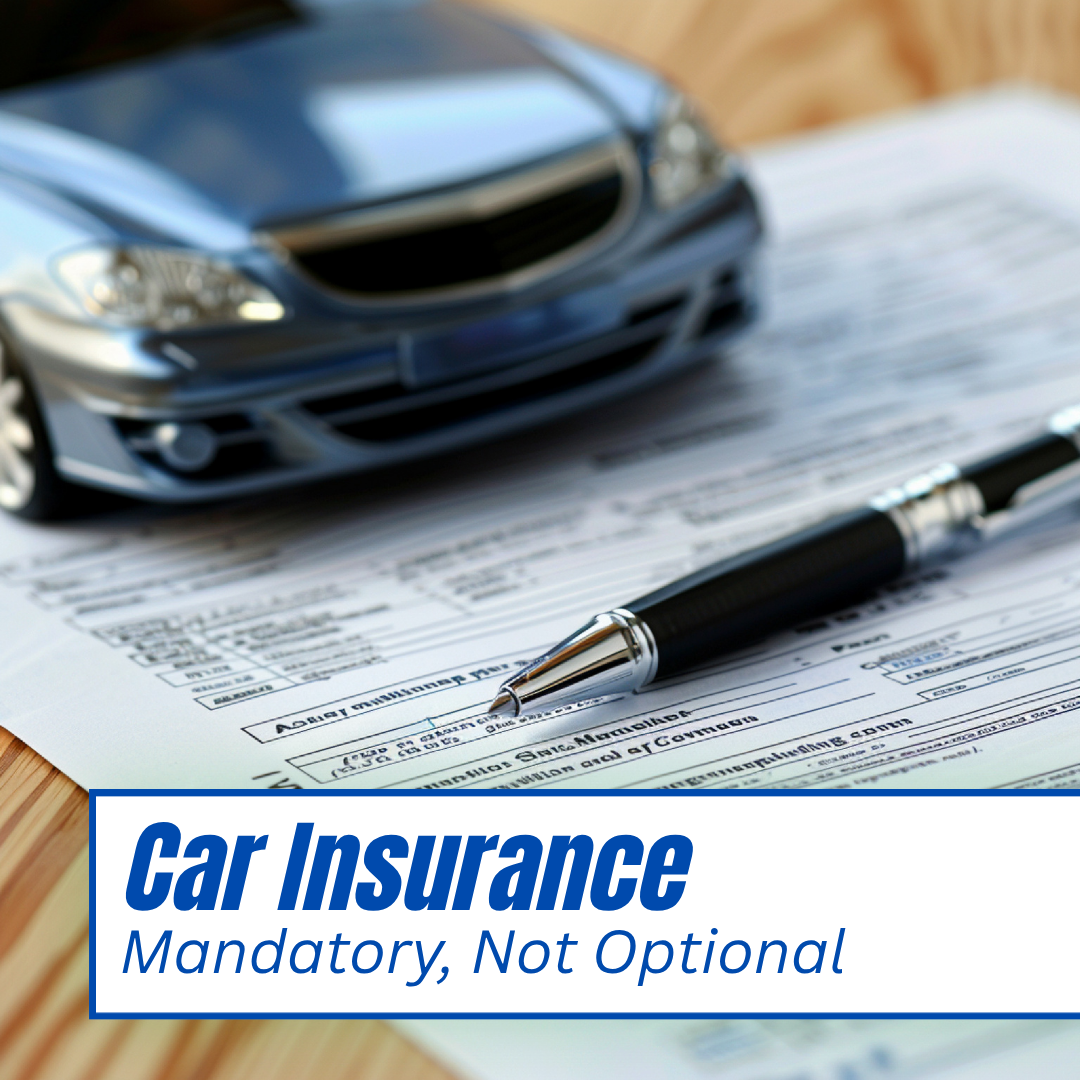
Car Insurance — Mandatory, Not Optional
Types of Car Insurance
There are two main types of car insurance in the UAE:
Type: Third-Party Liability Insurance
What It Covers: Damage or injury to other parties
Required by Law: Yes
– – – – – – – – – – – – – – – – – – – – – – – – – – – – – – – –
Type: Comprehensive Insurance
What It Covers: Your vehicle + third-party damage
Required by Law: No (but strongly recommended)
Third-party liability is the legal minimum for all registered vehicles in the UAE. Driving without at least third-party insurance is a criminal offence and can result in fines, vehicle impoundment, and legal liability.
Comprehensive vs Third-Party — Which Should You Choose?
If your vehicle is less than five years old or has a significant market value, comprehensive insurance is the smarter financial choice. It covers:
- Accidental damage to your own vehicle
- Theft and vandalism
- Natural disasters (sandstorms, floods)
- Off-road damage (in specialist add-on policies)
- Agency repairs at authorised dealerships
Factors That Affect Your Car Insurance Premium in the UAE
- Your age and driving history
- The make, model, and year of your vehicle
- Whether you have a UAE or international driving licence
- Your No Claim Discount (NCD) history
- The emirate in which your vehicle is registered
Key Tips for UAE Car Insurance
- Always declare your correct driving history — non-disclosure can void your policy
- Check whether your policy includes a courtesy car during repairs
- Confirm whether off-road driving is covered if you use your vehicle in desert areas
- Ask about the claims process before you need it — not after
Travel Insurance — Often Overlooked, Always Needed

UAE residents travel frequently — for business, holidays, and visits to their home countries. Yet travel insurance remains one of the most underutilised forms of cover among expats.
What Does Travel Insurance in the UAE Cover?
A comprehensive travel insurance in the UAE policy typically includes:
- Emergency medical treatment abroad
- Medical evacuation and repatriation
- Trip cancellation or curtailment
- Lost, stolen, or delayed baggage
- Flight delays and cancellations
- Personal liability cover
- Adventure sports and extreme activities (on selected plans)
Individual Medical — Who Needs It and Why?
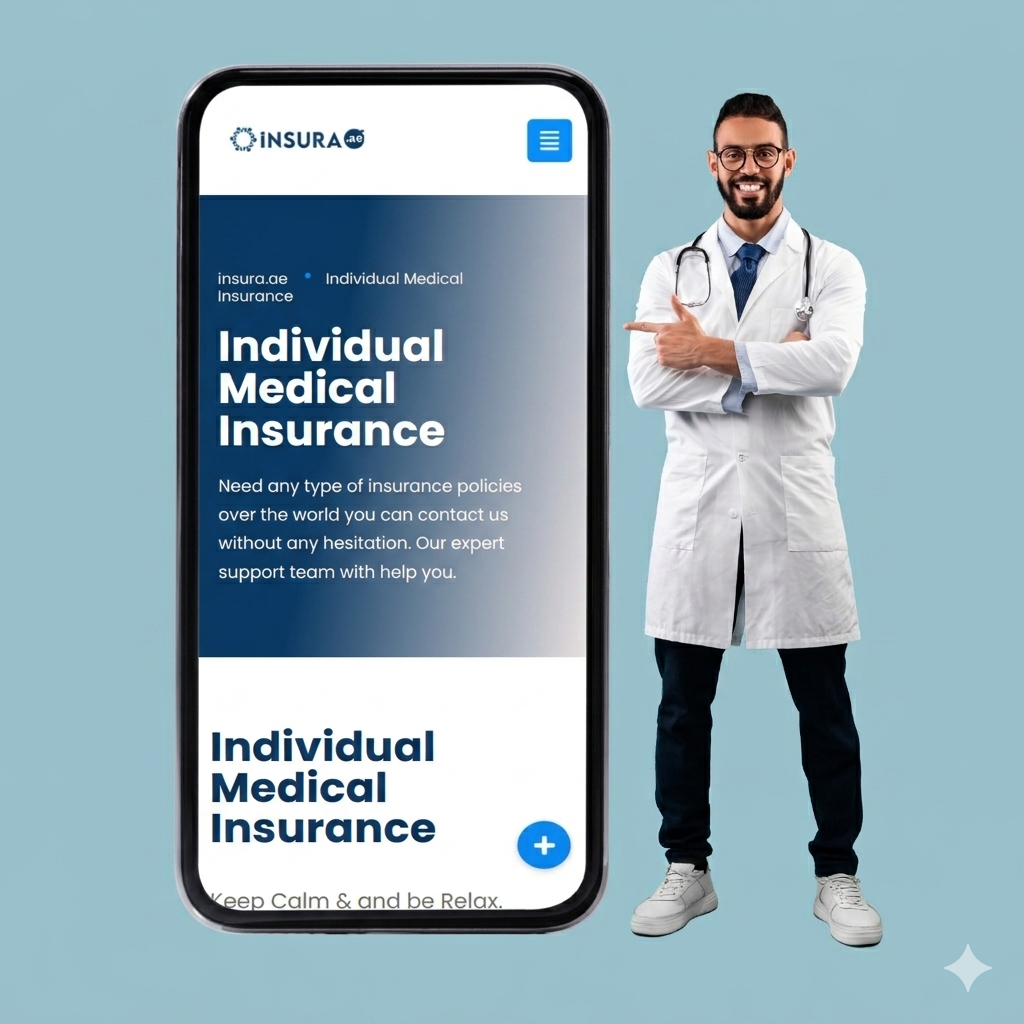
Not every UAE resident receives health insurance through their employer. Freelancers, self-employed professionals, business owners, and sponsored family members may need to arrange their own individual medical insurance in the UAE.
Who Should Take Out Individual Medical Insurance?
- Freelancers and remote workers on UAE freelance visas
- Self-employed entrepreneurs and business owners
- Dependants sponsored by an individual (not a company)
- Long-term residents between jobs
- Domestic workers not covered by employer-provided insurance
How to Choose an Individual Medical Plan?
When comparing individual medical insurance plans, consider:
- Network size — How many hospitals and clinics are included?
- Annual limit — What is the maximum payout per year?
- Geographic coverage — Does it cover you in your home country on visits?
- Maternity cover — Is it included and what are the waiting periods?
- Pre-existing conditions — Are they covered after a waiting period?
- Premium cost vs coverage ratio — Cheapest is not always best value
Business Insurance — Protecting What You Have Built

The UAE is one of the world’s leading destinations for entrepreneurs, SMEs, and multinational corporations. Whether you operate a mainland company, a free zone entity, or a branch office, business insurance in the UAE is essential.
Types of Business Insurance in the UAE
- Commercial General Liability (CGL) — Covers third-party claims for injury or property damage
- Property Insurance — Protects your office, equipment, and inventory
- Professional Indemnity (PI) — Essential for consultants, doctors, lawyers, and engineers
- Employers’ Liability — Covers claims from employees for workplace injuries
- Cyber Liability Insurance — Increasingly important for data-driven businesses
- Marine and Cargo Insurance — Critical for import/export businesses
- Business Interruption Insurance — Covers lost income during unexpected shutdowns
Is Business Insurance Mandatory in the UAE?
Some forms of business insurance are mandatory. For example:
- All UAE employers must provide workmen’s compensation under UAE Labour Law
- Companies in regulated sectors (healthcare, finance, legal) must hold professional indemnity insurance
- Businesses in Dubai free zones may be required to hold specific coverage as a condition of their licence
How to Read and Understand Your Insurance Policy?
Insurance policy documents can be intimidating. Here is a straightforward breakdown of the sections you must read carefully:
1. Schedule of Benefits
This lists exactly what is covered, up to what amount, and under what conditions.
2. Exclusions
These are the situations, treatments, or circumstances your insurer will not pay for. Read these extremely carefully. Common UAE insurance exclusions include:
- Cosmetic or elective procedures
- Self-inflicted injuries
- Pre-existing conditions during the waiting period
- War, terrorism, and civil unrest (in some plans)
- Incidents occurring under the influence of alcohol
3. Co-payment and Deductibles
Your co-payment is the percentage of each claim you pay yourself. A 20% co-payment on a AED 10,000 hospital bill means you pay AED 2,000. A deductible is a fixed amount you pay before insurance kicks in.
4. Claims Procedure
Always understand the claims process before you need it. Key questions to ask:
- Is cashless treatment available at network hospitals?
- What documentation is required for reimbursement claims?
- What is the claims submission deadline?
5. Policy Renewal Terms
Check whether your premium can increase at renewal, particularly if you have made claims during the policy year. Some UAE insurers apply significant loading (premium increases) after claims.
How to Choose the Right Insurance Company in the UAE?
Choosing the right insurance company in the UAE is one of the most important financial decisions you will make as a resident. Here is what to look for:
Step 1 — Verify CBUAE Authorisation
Only work with insurers licensed by the Central Bank of the UAE. This protects your rights and ensures the company is financially sound.
Step 2 — Compare Coverage, Not Just Price
The cheapest policy is rarely the best policy. Always compare the scope of coverage, network size, annual limits, and exclusions before making a decision.
Step 3 — Check the Claims Reputation
Ask people in your network about their claims experiences. Look for insurers with a strong track record of fair and timely settlements.
Step 4 — Evaluate Customer Service
A good insurer should offer 24/7 customer support, a clear digital portal for claims, and multilingual assistance — particularly important in the multicultural UAE environment.
Step 5 — Work with a Licensed Broker
A licensed UAE insurance broker can compare multiple insurers on your behalf, advise you on the most suitable product, and assist with claims if needed.
Common Insurance Mistakes UAE Expats Make
- Assuming employer health insurance is sufficient — Many employer plans have low limits and restricted networks
- Not disclosing pre-existing conditions — This can void your entire policy
- Choosing car insurance based on price alone — Cheap policies often exclude agency repairs and have slow claims processes
- Not buying travel insurance for short trips — Medical emergencies abroad can cost tens of thousands of dirhams
- Letting policies lapse between jobs — A gap in health insurance coverage can leave you unprotected and make you ineligible for visa renewal
- Not reading the exclusions — Most disputes arise from exclusions the policyholder never read
- Failing to update beneficiary details — Always keep your personal details and beneficiary information current
Conclusion
Understanding your insurance policy in the UAE is not just a financial decision — it is a practical necessity for every resident, expat, and business owner. From mandatory health insurance to compulsory car insurance, from essential travel insurance to comprehensive business insurance, the right coverage protects everything you have worked hard to build.
The UAE insurance market is well-regulated, competitive, and offers a wide range of products for every need and budget. The key is knowing what you need, reading your policy carefully, and working with a trusted insurance company in the UAE that puts your interests first.
Whether you are new to the UAE or have been here for years, it is never too late to review your coverage and make sure it truly works for you.