
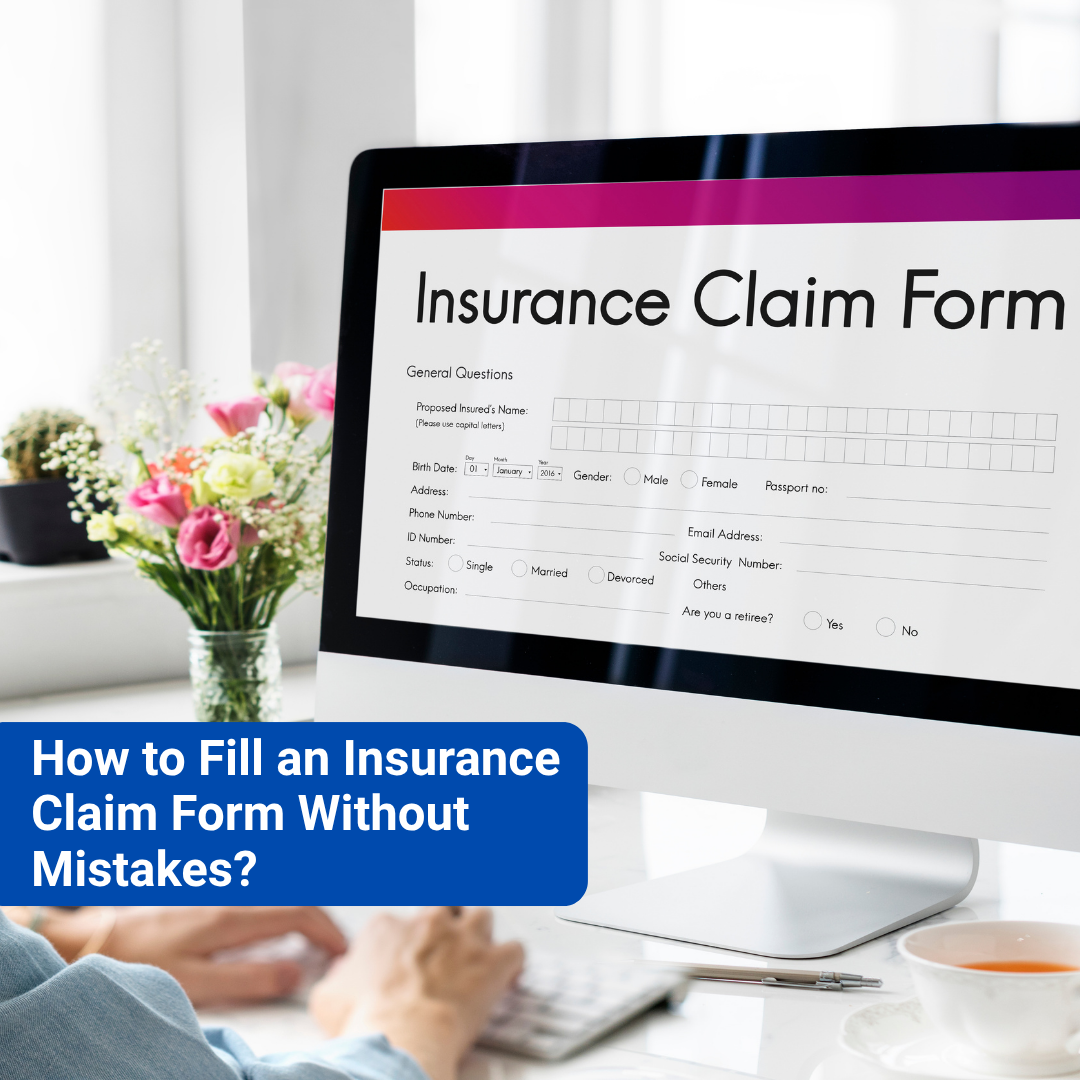
You’ve paid the hospital bill, gathered every receipt, and now you sit down to fill out the insurance claim form, thinking it’s just routine paperwork. But then a small doubt creeps in. Did I miss a detail? Is everything filled correctly? That one moment of uncertainty is where most claim delays begin.
In the UAE, insurance processes are structured, and even a minor mismatch in your insurance claim form can delay the process or result in rejection. For expats, families, or professionals managing multiple responsibilities, this adds unnecessary stress when you’re already dealing with recovery or expenses.
The good part is this: it’s not complicated when you have taken your insurance from the Trusted Insurance company in Dubai UAE, and once you know what to look for. With the right steps, you can fill out any insurance claim form confidently and avoid common mistakes. Let’s walk through it carefully so nothing gets missed.
Step-by-Step Guide to Fill a Health Insurance Claim Form Correctly

Filling a health insurance claim form is not difficult, but it does require attention to detail. If you follow each step carefully, you reduce the chances of delays and keep your claim process smooth.
1. Start With the Right Intimation
- Always inform your health insurance in Dubai UAE insurer first. For emergencies, do it within 24 hours. For planned treatments, inform them at least 2–3 days in advance.
- This step matters because insurers record the case from the beginning. If you delay notification, they may question the claim timeline or request additional justification.
2. Get the Correct Insurance Claim Form
- Download the insurance claim form from your insurer’s website or collect it from the hospital’s TPA desk.
- Many people unknowingly use outdated or incorrect forms. This simple mistake can lead to rejection or force you to restart the process.
3. Fill Your Personal Details Carefully
- Write your name, contact number, and policy number exactly as they appear on your Emirates ID and policy document.
- Even a small spelling mismatch can create verification issues. Double-check these details before moving ahead with the insurance claim form.
4. Add Accurate Hospital and Treatment Details
- Mention the hospital name, admission and discharge dates, diagnosis, and treatment clearly.
- Avoid copying complex medical terms without understanding them. If unsure, confirm details with the hospital desk so your insurance claim form stays clear and correct.
5. Enter Bank Details Without Errors
- Provide your correct IBAN or SWIFT details for reimbursement.
- Incorrect bank information is one of the most common reasons for payment delays. Take an extra minute here to recheck every digit before submitting the insurance claim form.
6. Signatures Matter More Than You Think
- Sign the form wherever required. In some cases, the doctor’s or hospital stamp is also mandatory.
- An unsigned insurance claim form is treated as incomplete. Always review the declaration section before submission.
7. Attach All Required Documents (No Exceptions)
Your claim depends as much on documents as on the form itself. Make sure you attach:
- Original itemised bills and payment receipts.
- Discharge summary from the hospital.
- Doctor’s prescriptions and consultation papers.
- Investigation reports, such as lab tests or X-rays.
- Copy of Emirates ID and insurance card.
Missing even one document can pause your claim until you provide it.
When you fill out an insurance claim form with this level of care, you avoid the most common issues people face. Now that you understand the health claim process clearly, it helps to see how similar steps apply to other types of claims as well.
Filing a Car Insurance Claim: What Changes in the Process?

Car claims follow a similar structure, but here, timing and official reports carry more weight. If you handle the first few steps correctly, the rest of the insurance claim form process becomes much easier.
1. Safety Comes First, Then Documentation
- Start by ensuring everyone is safe. After that, call the police immediately, as this is mandatory in the UAE.
- Without a police report, your car insurance in Dubai UAE claim form will not move forward. Insurers rely on this report as the base record of the incident.
2. Capture Evidence Immediately
Once it’s safe, take clear photos of the scene.
- Vehicle damage from different angles
- Road condition and surroundings
- Number plates of all vehicles involved
These images support your insurance claim form and help avoid disputes later.
3. Inform Insurer and Get the Claim Form
- Next, inform your insurer through their app, website, or helpline.
- Most providers, including Gargash Insurance and HSBC UAE, allow quick claim registration. They will guide you to the correct insurance claim form and the next steps.
4. Fill the Insurance Claim Form With Matching Details
- While filling out the insurance claim form, keep your details consistent with the police report.
- Even small differences in date, time, or location can slow down verification. Always cross-check before submitting.
5. Prepare Essential Documents
Keep these documents ready before submission:
- Police report (original or digital copy).
- Car registration card (Mulkiya).
- Driving licence (front and back).
- Emirates ID.
Having everything prepared speeds up your insurance claim form processing.
6. Submit and Track Your Claim
- Submit your documents online, through email, or via the insurer’s portal.
- Always save your claim reference number. It helps you track progress and follow up without confusion.
7. Vehicle Inspection and Repair
- After submission, the insurer assigns a surveyor to assess the damage.
- Once approved, you can move your vehicle to an authorised workshop for repair. This step completes the practical side of your insurance claim form journey.
Car claims focus more on documentation and official validation, while health claims focus on medical records. Next, let’s look at travel insurance claims, where timing and proof become even more critical.
Travel Insurance Claim Form: When You’re Away From Home

Travel claims move fast, and so should your response. When you’re outside your home country, handling the travel insurance in Dubai UAE claim form correctly depends on how quickly and clearly you act.
1. Inform the Insurer Immediately
- As soon as something goes wrong, inform your insurer through their app, helpline, or email.
- Quick communication creates an official record from the start. This step helps your insurance claim form move forward without unnecessary questions later.
2. Collect Proof Based on Your Situation
Your documents will depend on what happened and which type of insurance you have, like inbound travel insurance, so gather them right away.
- Medical emergency: hospital bills, doctor’s reports, and treatment receipts.
- Lost baggage or delay: airline report (PIR), boarding pass, baggage tags.
- Theft or lost documents: police report, passport copy, and replacement receipts.
Strong proof makes your insurance claim form more reliable and easier to process.
3. Fill the Insurance Claim Form With Clear Incident Details
When filling out the Outbound Travel Insurance claim form, focus on clarity.
- Mention the exact date, time, and location.
- Describe what happened in simple, direct words.
Avoid vague details. Clear information helps the insurer understand your case without going back and forth.
4. Attach Supporting Evidence Properly
Submit all required documents along with your form.
- Bills and invoices
- Medical or airline reports
- Police reports were required.
Missing attachments can pause your insurance claim form, even if everything else is correct.
5. Review Before Submission
- Before you submit, take a moment to check everything again.
- Look for missing fields, incorrect details, or skipped documents. This final check often prevents delays that many people face after submission.
Travel claims rely heavily on timing and proof, while business claims focus more on documentation and asset details. Next, let’s break down how to handle a business insurance claim form with the same clarity.
Business Insurance Claim Form – For Owners and Decision Makers

For business owners and teams, a business insurance policy for business in Dubai UAE, is not just paperwork. It affects operations, timelines, and costs. Handling the insurance claim form properly helps you recover faster and avoid unnecessary back-and-forth.
1. Report the Incident Without Delay
- Inform your insurer as soon as the incident occurs.
- Early reporting builds credibility and shows that the case is genuine. It also helps your insurance claim form move ahead without added scrutiny.
2. Gather Strong Documentation
Before filling out the form, collect all key records.
- Policy number and coverage details.
- Incident reports or internal records.
- Invoices or proof of ownership for damaged assets.
Clear documentation strengthens your insurance claim form from the start.
3. Document Damage Properly
- Take clear photos and videos of the damage before any repairs begin.
- Add short written notes explaining what was affected. This step creates solid proof and supports your insurance claim form during assessment.
4. Fill the Insurance Claim Form With Precision
Enter all details carefully and keep them factual.
- Date and time of the incident
- Nature and cause of damage
- Parties involved, if any
Avoid assumptions or unclear statements. A precise insurance claim form reduces follow-up questions.
5. Submit Supporting Proof
Attach all required documents along with your form.
- Repair estimates
- Supplier invoices
- Any additional evidence requested by the insurer
Submitting complete proof helps your insurance claim form move forward without delays.
6. Follow the Right Submission Channel
Send your claim through the method your insurer prefers.
- Online portal
- Email submission
- Official claim platform
Following the correct channel ensures your insurance claim form reaches the right team without delay.
7. Be Ready for Inspection
- After submission, the insurer may assign a surveyor to review the damage.
- Cooperate during this process and provide any extra details if asked. This step helps finalise your insurance claim form and speeds up approval.
Business claims require structured documentation and accuracy at every step. To make sure nothing slips through, let’s go over a few important tips that apply to every type of insurance claim form.
Important Tips That Prevent Claim Rejection

Most issues with an insurance claim form come from small, avoidable errors. A careful final check makes a real difference.
- Check every detail for accuracy.
- Keep copies of your insurance claim form.
- Submit within deadlines (30–90 days).
- Fill all mandatory fields, including the doctor section.
- Ensure documents and signatures are complete.
Next, let’s wrap this up with key takeaways.
Conclusion
By now, you’ve seen how each step, from intimation to documents, plays a clear role in getting your insurance claim approved. The process itself is straightforward, but most delays happen when small details in the insurance claim form are missed or filled incorrectly.
When you stay accurate, attach the right documents, and follow the steps properly, the claim process becomes smooth and predictable. That’s exactly where the difference lies.
If you still feel unsure, it’s always better to get guidance than risk delays. With the right support, your insurance claim form can be handled correctly the first time, saving you time, effort, and follow-ups.