
A single medical emergency can place an unexpected financial burden on even the most well-prepared households. Many people believe their coverage will protect them, only to discover gaps when faced with real hospital expenses. Choosing the wrong health insurance plan often leads to higher out-of-pocket costs, delayed treatments, and unnecessary stress.
In the UAE, health insurance in Dubai UAE is not just a requirement; it is a vital part of everyday life. Despite this, the wide range of policies, technical terms, and hidden conditions can make the decision process confusing. It becomes difficult to understand what truly matters and which plan actually delivers the protection you expect.
This blog cuts through the complexity and focuses on what you need to know. It highlights the key factors to consider before choosing a policy so you can make a clear and confident decision. By the end, you will understand how to select a plan that supports your health, safeguards your family, and protects your finances without compromise. Let’s take a closer look at the essentials that will help you avoid costly mistakes and choose wisely.
Essential Things to Consider Before Buying Health Insurance
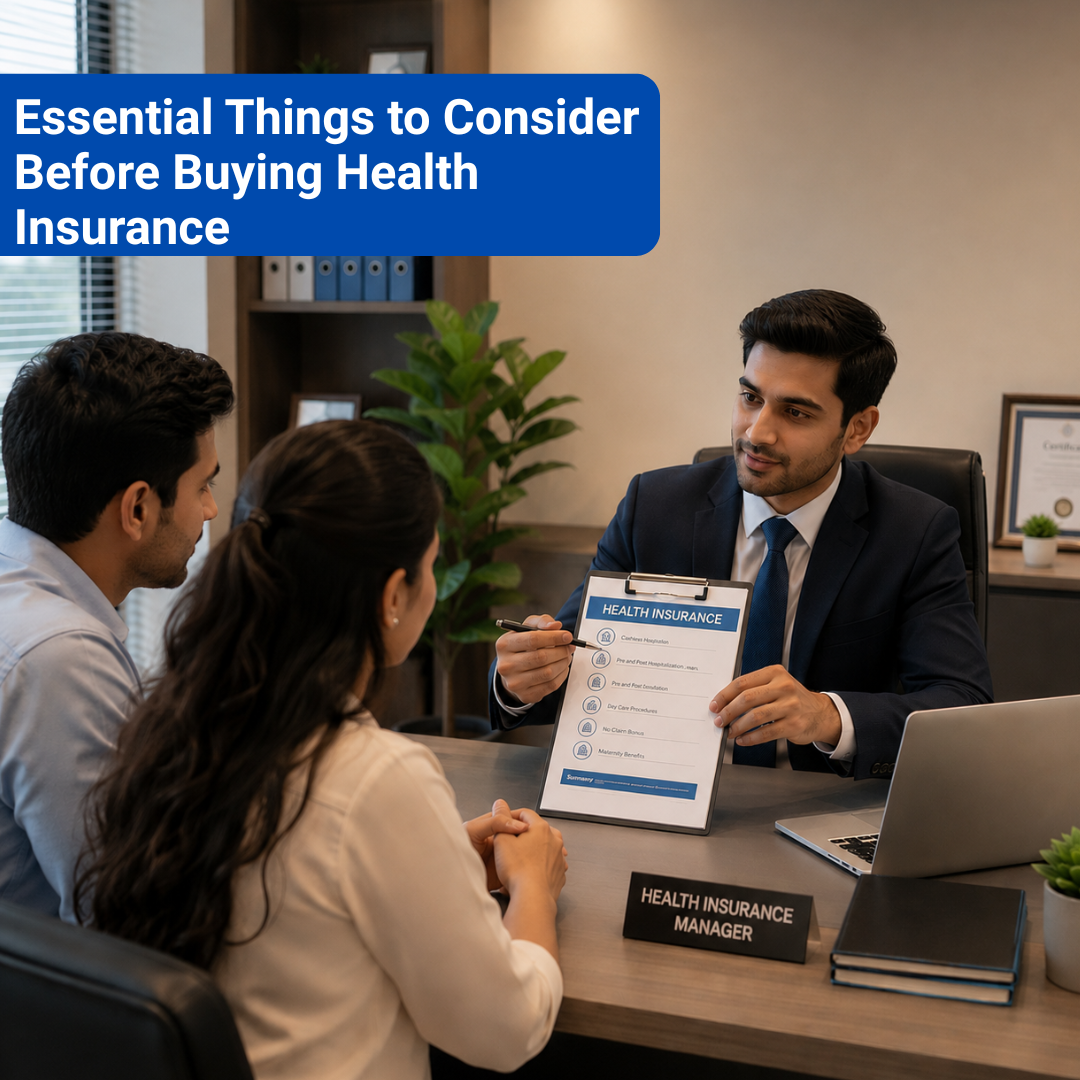
It takes more than just price comparison to select the best health insurance. You need to look deeper into coverage, reliability, and long-term value. The following factors will help you make a smart and secure choice.
1. Choose the Right Health Insurance Company
Selecting a reliable insurer should be your first step. A trustworthy health insurance company in the UAE ensures smooth processes, transparent policies, and dependable customer support when you need it most.
Look for insurers with strong financial stability and a proven track record in the UAE market. A reputable provider will handle claims efficiently and offer clear policy terms without hidden surprises. You can also simplify your search by using platforms like Insura, an insurance broker that allows you to compare multiple health insurance plans in one place. This helps you evaluate options easily and choose a policy that truly fits your needs without confusion.
2. Range of Insurance Plans
Every individual has different healthcare needs. A good insurer provides multiple plans that cater to individuals, families, and corporate clients. Check whether the company offers flexible plans that allow you to customize coverage. This ensures you do not pay for features you do not need while still getting essential protection.
3. Consider the Network
Your insurer’s hospital and clinic network directly impacts your convenience. A wider network gives you more flexibility in choosing healthcare providers. Make sure your preferred hospitals, specialists, and clinics are included. This reduces out-of-pocket expenses and ensures quick access to quality care when needed.
4. Claim Settlement Ratio
The effectiveness with which an insurer handles claims is shown by the claim settlement ratio. A higher ratio indicates reliability and faster claim approvals. Choose a company known for quick and hassle-free claim settlements. Delays during medical emergencies can add unnecessary stress.
5. Read Client Reviews
Customer reviews offer genuine insights into an insurer’s service quality. They highlight both strengths and potential issues. Look for feedback on claim processing, customer support, and transparency. Honest reviews help you avoid companies with poor service records.
6. Choose the Right Insurance Plan
Selecting the right plan depends on your lifestyle, health condition, and family needs. A basic plan may not always provide sufficient coverage. Compare benefits carefully and ensure the plan includes hospitalisation, outpatient care, and emergency services. Tailor the plan to match your specific requirements.
7. Determine the Right Coverage Amount
Adequate coverage protects you from high medical expenses. Insufficient coverage can leave you paying large bills out of pocket. Consider factors such as age, medical history, and healthcare costs in the UAE. Always choose a sum insured that comfortably covers major treatments.
8. Waiting Period
Most health insurance policies include a waiting period before certain treatments are covered. If you are wondering, How Do Health Insurance Waiting Periods Work?, these are the fixed timeframes insurers set before you can claim specific benefits. This commonly applies to pre-existing conditions and maternity coverage. Reviewing these timelines carefully helps you understand when your policy becomes fully active and allows you to plan ahead to avoid unexpected surprises.
9. Geographical Scope
Health insurance plans may cover specific emirates, the entire UAE, or even international treatments. If you travel frequently or prefer treatment abroad, choose a plan with wider geographical coverage. No matter where you go, this guarantees continuous protection.
10. Deductibles
Your deductible is the amount you pay before your individual medical insurance starts to pay for charges. Higher deductibles are frequently associated with plans with cheaper rates. Choose a deductible that fits your budget. Affordability is ensured without sacrificing coverage by balancing the premium and deductible.
Key Coverage Exclusions in UAE Health Insurance Plans

Knowing what is covered and what is not is equally important when choosing a policy. It helps you avoid unexpected costs and ensures you plan your healthcare expenses more effectively.
1. Cosmetic Surgery and Procedures
Most health insurance plans do not cover cosmetic or elective procedures. Treatments are only included if they are medically necessary, such as reconstructive surgery after an accident or injury. Always check whether any exceptions apply in your policy.
2. Alternative and Complementary Therapies
Treatments like acupuncture, homeopathy, and chiropractic care are usually not covered under standard plans. Some insurers may include them as add-ons, but this is not common. If you rely on such therapies, confirm their inclusion before purchasing a policy.
3. Non-Essential Medications
Health insurance typically covers essential prescription drugs required for treatment. However, it often excludes lifestyle or non-essential medications such as weight-loss or wellness drugs. Always review the list of covered medications to avoid unexpected expenses.
4. Out-of-Network Expenses
If you seek treatment at a hospital outside your insurer’s approved network, you may need to pay the full cost upfront. Some plans offer partial reimbursement, but the process can be lengthy. Always ensure your preferred healthcare providers are within the network.
5. Pre-Existing Conditions Without Disclosure
Failing to disclose pre-existing conditions can result in claim rejection or policy cancellation. Insurers rely on accurate information to determine coverage terms. If you are comparing policies, you may also ask, Which is the Best Health Insurance for Pre-Existing Conditions in the UAE? The answer often depends on how transparently your medical history is shared during the application process. Being honest from the start helps insurers provide suitable coverage and protects you from complications later.
3 Crucial Factors to Consider When Choosing Health Insurance
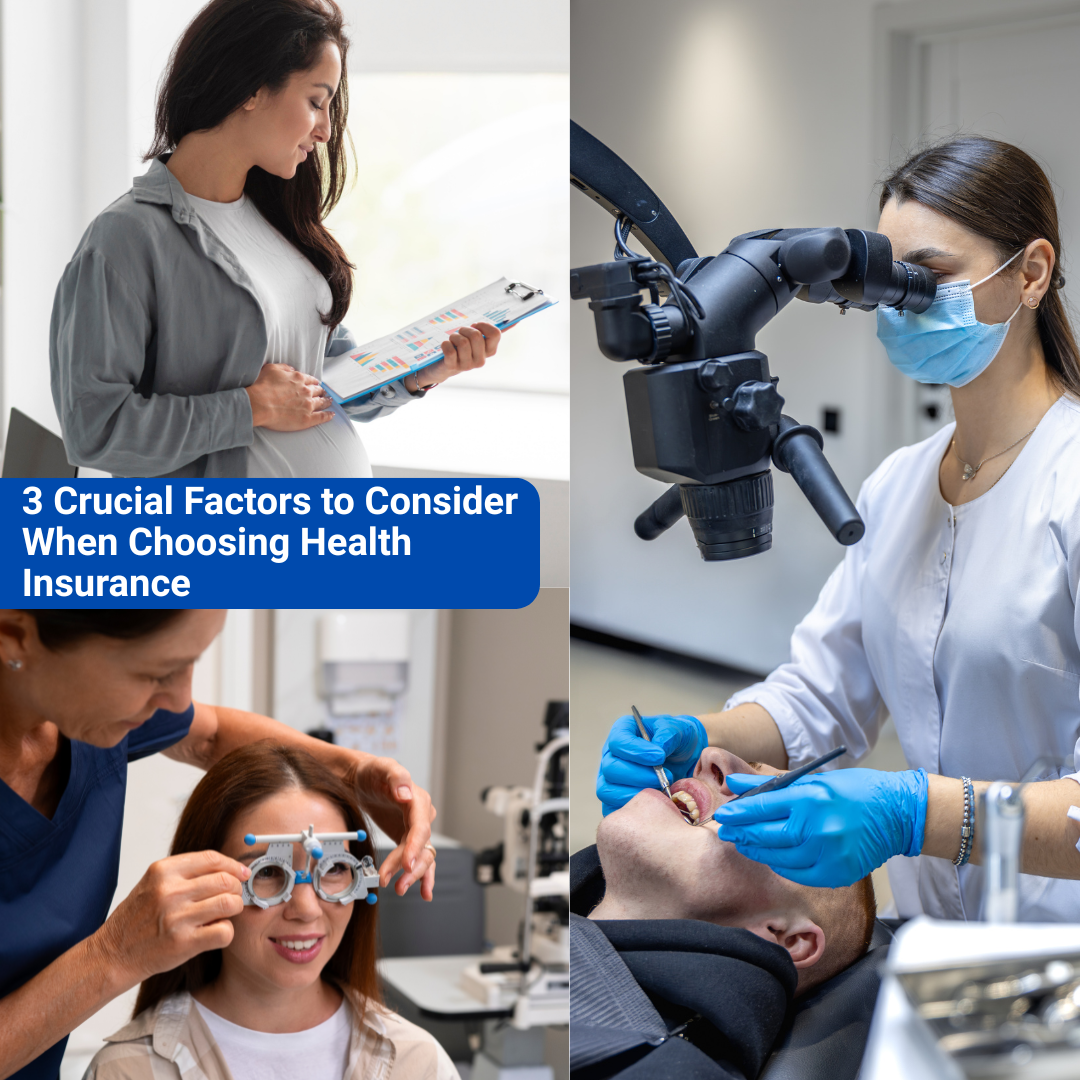
Beyond the basics, a few additional aspects can strongly shape how effective your health or group medical insurance plan truly is. Paying attention to these details helps you avoid gaps and ensures long-term value.
1. Coverage Limits
Every policy comes with limits on how much the insurer will pay annually or over a lifetime. If these limits are too low, you may still face significant expenses during major treatments. Always choose coverage that matches the rising cost of healthcare in the UAE.
2. Maternity Coverage
Maternity benefits typically come with longer waiting periods, usually between 9 to 12 months. This means you need to plan your policy well before expecting coverage. Choosing the right plan early ensures financial support during pregnancy and delivery.
3. Standard Exclusions
Most basic health insurance plans exclude cosmetic treatments, alternative therapies, and advanced dental or vision care. These services may only be covered if added as optional benefits. Always review exclusions carefully to understand exactly what your policy does not include.
Conclusion
Choosing health insurance is not just about ticking a box, it is about securing peace of mind for the future. From selecting the right insurer and best health insurance in Dubai to understanding coverage, exclusions, and costs, every detail plays a role in protecting your health and finances.
When you take the time to evaluate these factors carefully, you avoid unexpected expenses and ensure access to quality healthcare when it matters most. A well-chosen policy does more than cover medical bills, it supports your overall well-being and stability.
Make your decision with clarity, not confusion. The right health insurance plan is not an expense, it is a long-term investment in your safety and confidence.