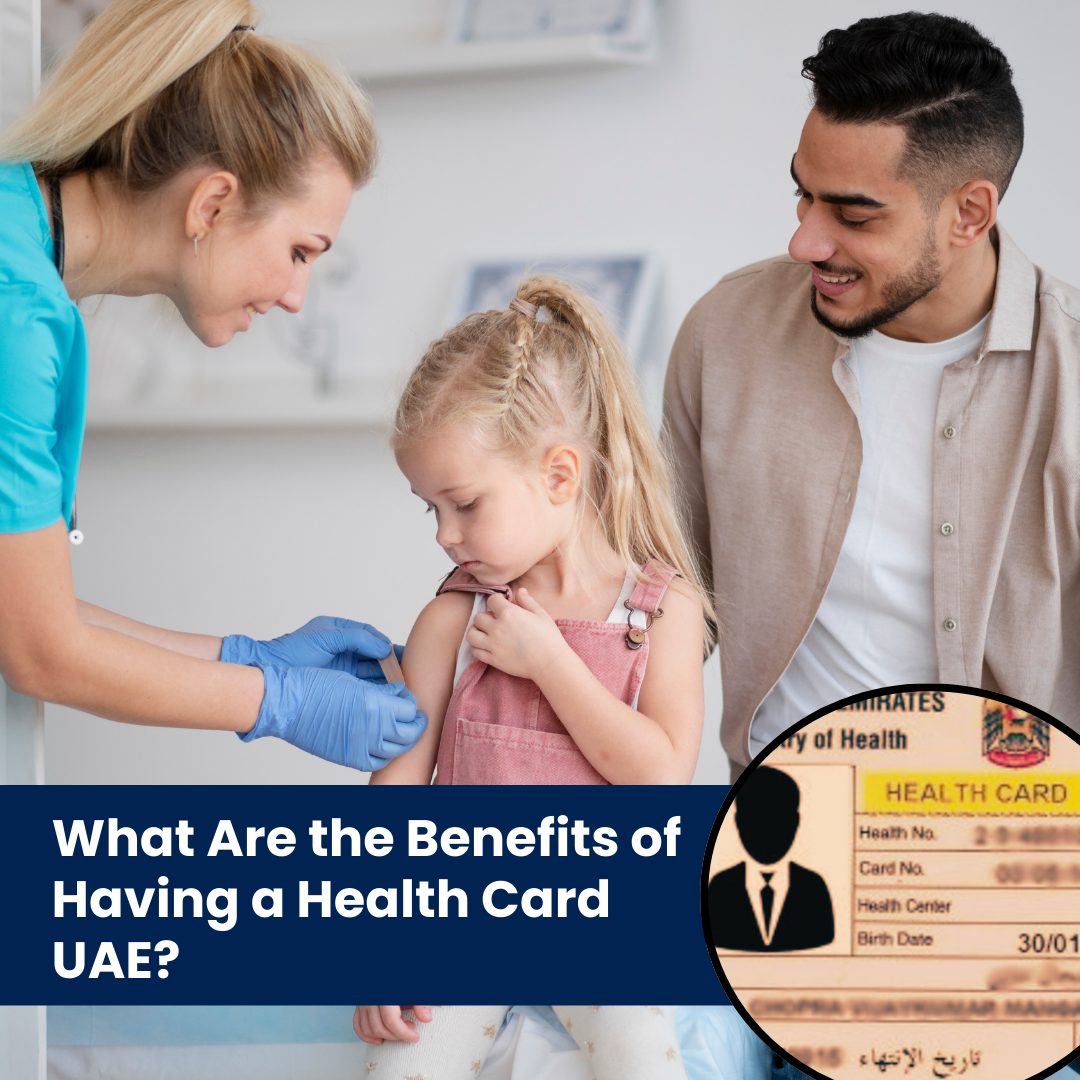
Moving to the UAE feels like a big win until a simple question catches you off guard at a clinic reception. You have your visa, your Emirates ID is in process, and your best health insurance in UAE card sits in your wallet, and then someone asks about the health card UAE. Suddenly, things feel unclear. Are you properly covered? If you fall sick next week, will your costs stay controlled or surprise you?
We have worked closely with the UAE healthcare system, and we have seen many new residents misunderstand this in their first year. The confusion is common, but it is avoidable. So let us answer it properly: what are the real benefits of having a health card UAE, and where does it fit alongside insurance? In this guide, we will explain it in simple terms so you can protect both your health and your finances with confidence.
The Benefits of Using a Health Card in the UAE
Before you decide whether a health card UAE is worth it, you need to see what it actually does in day-to-day life. Let us break it down clearly so you understand where it saves money, where it supports treatment, and where it adds real value.
1. Discounts on Medical Services
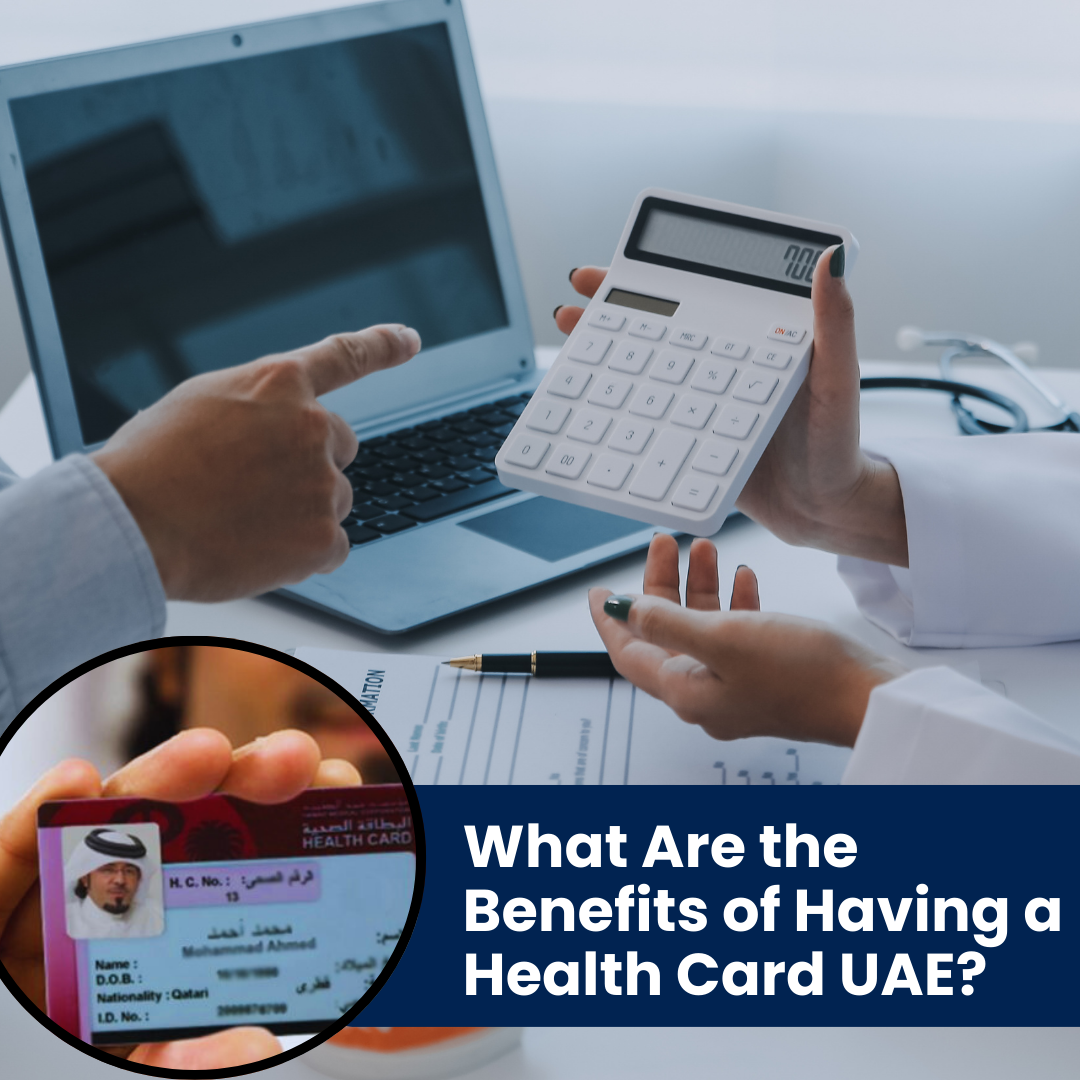
- Reduced consultation fees at government hospitals and clinics: With a health card UAE, consultation charges at public hospitals drop significantly. Instead of paying full private rates, you pay subsidised government fees, which makes routine doctor visits far more manageable.
- Lower laboratory, diagnostic, and specialist costs: Blood tests, X-rays, scans, and specialist reviews often cost less in government facilities when you hold a valid card. These savings add up quickly, especially if you need repeated follow-ups.
- Why this matters for monthly budgets: Healthcare is not always a one-time expense. If you manage rent, school fees, and daily costs, these reduced medical bills protect your monthly cash flow.
2. Reduced Treatment Costs
- Savings on surgeries and inpatient care: Public hospitals offer structured and regulated care at controlled rates. A health card UAE allows you to access treatment at government-approved prices, which are often far lower than private hospital charges.
- Affordable chronic condition management: If you live with diabetes, hypertension, or another long-term condition, regular monitoring becomes necessary. The card helps reduce recurring consultation and testing costs over time.
- Long-term financial protection: Major treatment can strain savings. Using public healthcare rates provides a cost-controlled option when planning for long-term medical needs.
3. Access to Public Health Facilities
- Entry to government hospitals across emirates: The health card UAE gives you access to public healthcare facilities operated by health authorities. This includes major hospitals and primary care centres.
- Regulated and reliable standards: Government facilities follow strict medical guidelines and licensing standards. Many residents prefer this structured system for consistent care.
- Dependable option for organised treatment: If you prefer a system with fixed processes and transparent fees, public hospitals provide that stability.
4. Emergency Care
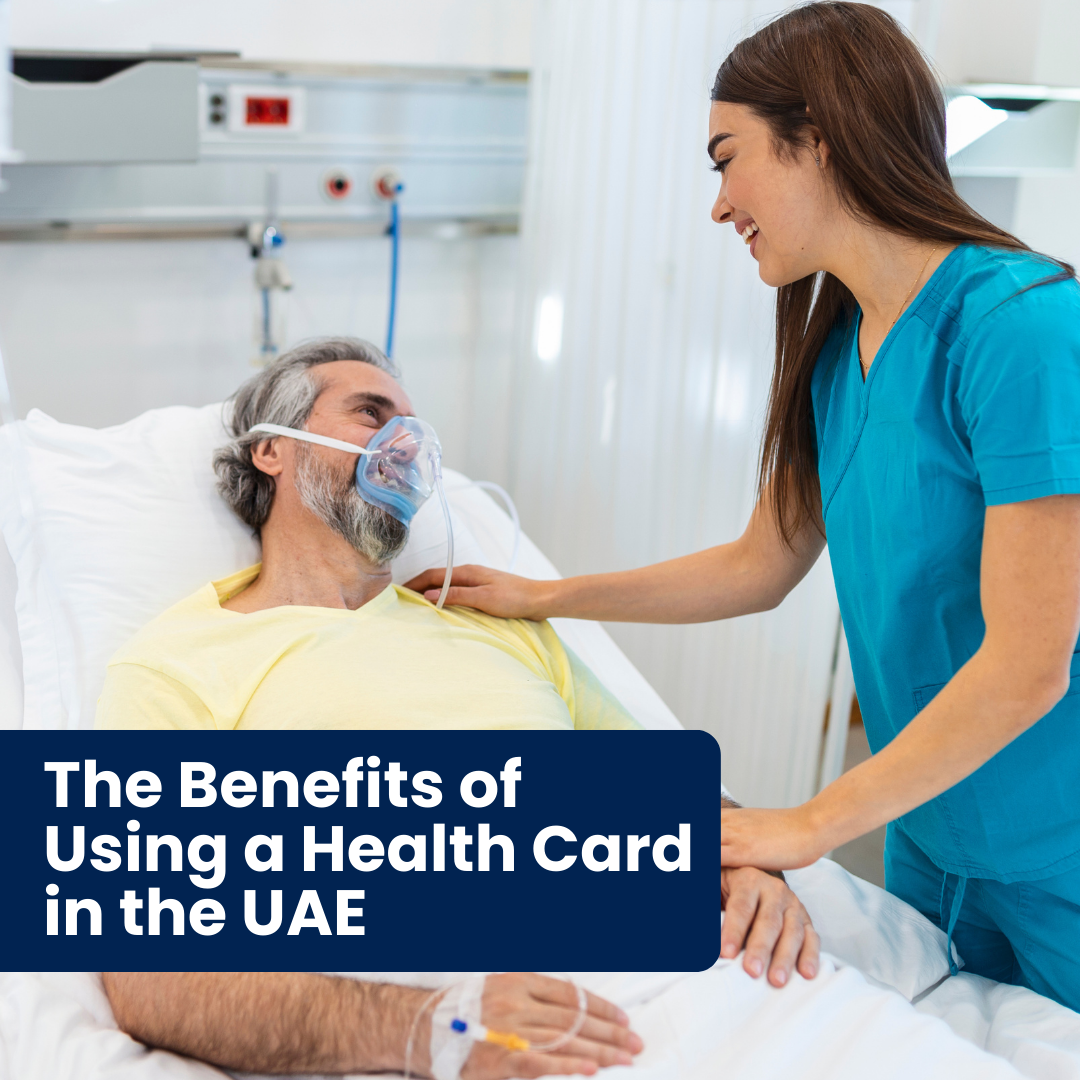
- Immediate access in public hospitals: In case of an emergency, you can visit government hospitals directly. The card ensures you receive services at subsidised rates.
- Lower emergency treatment costs: Emergency care in private hospitals can be costly. Public hospitals usually charge regulated fees, which reduces sudden financial pressure.
- Smart planning during emergencies: Your health insurance provider remains your primary line of protection during emergencies, especially for hospital admissions, advanced procedures, and private facility access. The health card UAE can support you in government hospitals, but strong insurance coverage gives you broader protection and greater flexibility when urgent care is needed.
5. Vaccination and Newborn Screenings
- Subsidised childhood vaccinations: Government clinics provide essential vaccinations at reduced or no cost under the health card UAE system.
- Newborn screening and maternal service: Public facilities conduct standard newborn tests and follow-up care under regulated programmes.
Now that you understand the practical advantages, the next important step is to look at the basic facts every resident should know before applying. Let us move to the key details that help you make a clear and informed decision.
Quick Facts Every Resident Should Know

Before you apply for a health card UAE, pause and check the basics. These small details save you time, prevent delays, and help you plan your healthcare properly from day one.
Cost
- Approximately AED 320 for expatriate adults: For most expat residents, the standard annual fee stays around AED 320. This is a government-set charge and applies when you apply for or renew your health card UAE.
- AED 120 for children under 10: Children under ten usually qualify for a lower fee, around AED 120. For families, this makes government healthcare access more affordable.
Practical tip: Always confirm the latest fee on the official portal before payment, as updates can happen.
Validity
- One year for expatriates: Most expatriates receive a one-year validity. You must renew it on time to continue accessing subsidised services.
- Five years for UAE and GCC nationals: For UAE and GCC nationals, validity typically extends up to five years, which reduces renewal frequency.
Application
- Apply through the DHA website: If you live in Dubai, you can apply through the Dubai Health Authority portal.
- Apply through the EHS website: Residents in other emirates can apply through the Emirates Health Services online.
- Available at authorised typing centres: If you prefer in-person assistance, registered typing centres can complete the process for you.
Step-by-step clarity:
- Keep your Emirates ID ready.
- Upload the required documents online or provide them at the centre.
- Pay the fee.
- Receive confirmation linked to your Emirates ID.
Knowing these details helps you avoid confusion at hospitals and prevents last-minute stress. Now that the practical groundwork is clear, let us move to the most important part: how the health card UAE works alongside mandatory insurance, and why understanding this connection protects you better.
Health Card + Insurance – The Connection
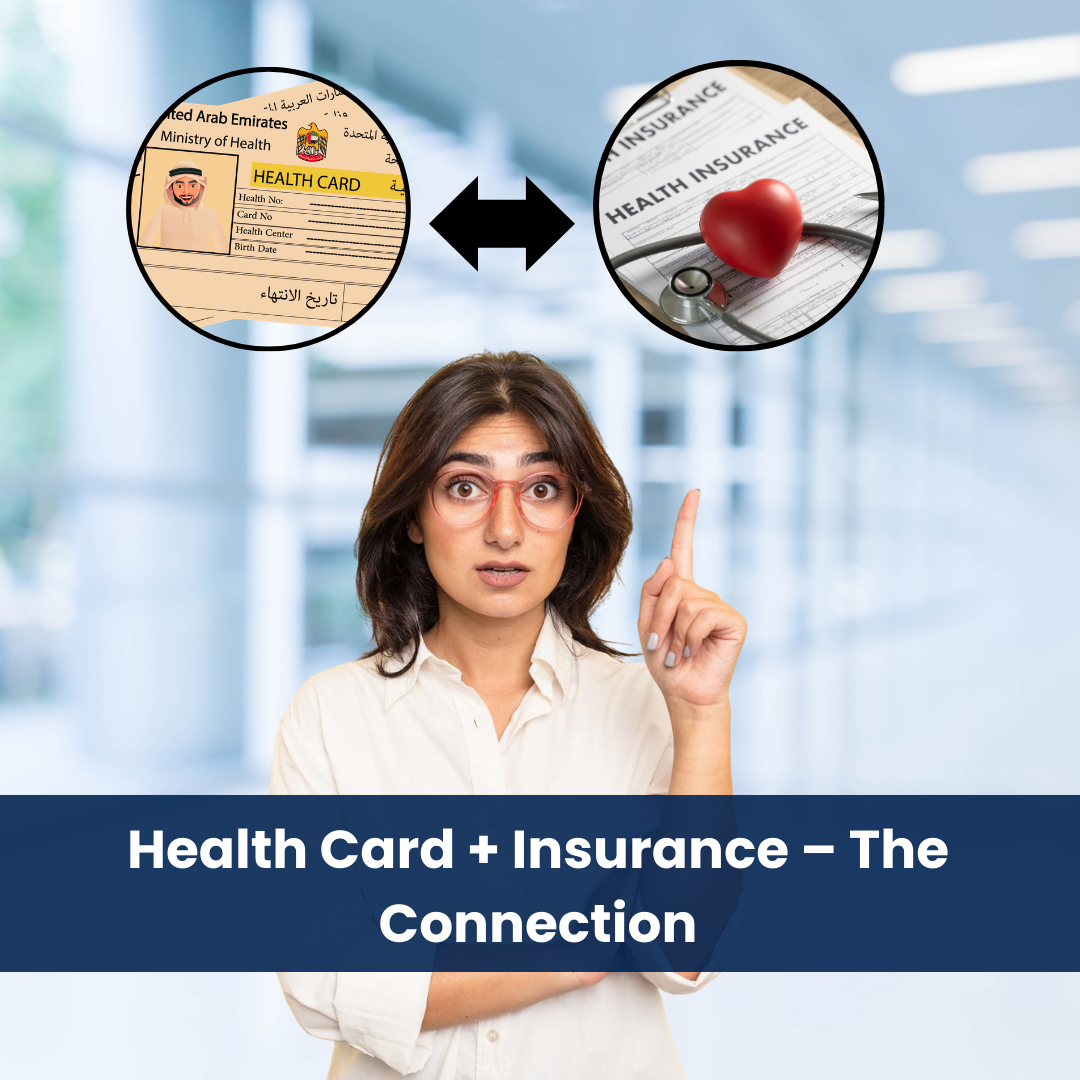
This is where many new residents get confused. They assume that a health card UAE replaces insurance. It does not. Both serve different purposes, and when you understand the difference clearly, you make smarter healthcare decisions.
1. The Legal Separation
Insurance is Mandatory
- Health insurance is a legal requirement for residency visa issuance and renewal. Without valid insurance, you cannot process or renew your visa in Dubai and most other emirates.
- In most cases, an employer or sponsor provides the policy. However, if you are self-employed, a business owner, or sponsored by family, you must arrange coverage through an individual health insurance provider in the UAE.
- Practical clarity: Always check your insurance card and policy validity before visa renewal. Do not rely on assumptions.
Health Card is Optional
- The health card UAE is not compulsory for most expatriates. You can live in the UAE without it if you have valid insurance.
- However, it works as a supplement. It gives you access to government healthcare services at regulated and subsidised rates.
- Simple takeaway: Insurance keeps you legally compliant. A health card gives you flexibility within the public healthcare system.
2. How They Work Together
Now, let us break this down step by step.
Network Access
- Private group medical insurance for companies in Dubai UAE gives you access to a defined hospital and clinic network. You must visit facilities listed in your policy to receive cashless treatment.
- The health card UAE, on the other hand, unlocks discounted treatment in government hospitals and clinics, even if they are not in your insurance network.
- Expert tip: Always check both options before booking a procedure. Compare your insurance coverage with public hospital rates.
Filling Coverage Gaps
- Some insurance plans come with annual limits. Once you reach that limit, you must pay from your pocket.
- Others exclude specific treatments, especially certain chronic conditions or advanced procedures.
- In such cases, using a health card UAE at a public hospital often reduces your overall cost because government fees follow a regulated structure.
- Real-world guidance: If your treatment cost looks high under insurance, ask the hospital about public facility rates.
Pediatric Care Strategy
- Many parents use insurance for regular paediatric consultations in private clinics.
- At the same time, they use the health card UAE to access government vaccination programmes, which are often subsidised or free under public health policies.
- This balanced approach helps families manage routine and mandatory healthcare expenses efficiently.
3. Digital Integration in 2026
Healthcare systems in the UAE continue to modernise, and integration has improved significantly.
No Physical Cards Required
- Your Emirates ID now links electronically to both your insurance policy and your health card uae.
- Hospitals verify your eligibility directly through the system. You no longer need to carry multiple plastic cards.
Unified Records
- Government facilities can check your health card status instantly. Private clinics can verify insurance coverage through the same ID system.
- This integration speeds up processing and reduces administrative delays during appointments or admissions.
- Actionable step: Always keep your Emirates ID updated and active. It acts as your gateway to both systems.
When you understand how insurance and the health card UAE complement each other, you stop seeing them as alternatives and start using them strategically.
Final Thoughts
To sum up, insurance and the health card UAE serve different purposes. Insurance is mandatory and protects your residency status, while the health card gives you access to regulated and affordable treatment in government facilities. Used together, they create a stronger and more flexible healthcare plan.
Before you decide, review your current policy, check its limits, and see where a health card UAE can support you. If you are unsure how to structure it properly, Insura can help. Our advisors guide you through the right insurance options, explain coverage clearly, and help you build a plan that protects both your health and your finances with confidence.