
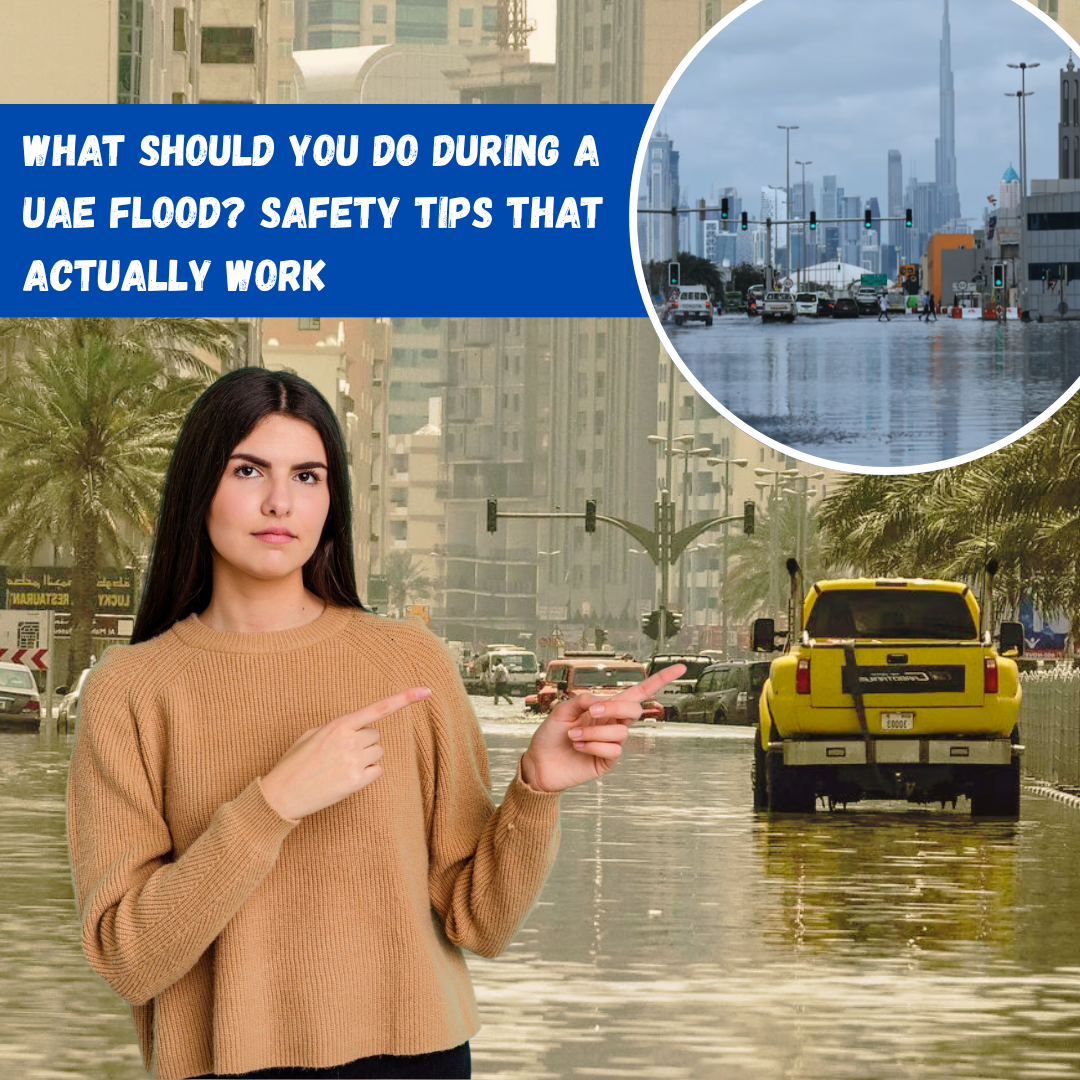
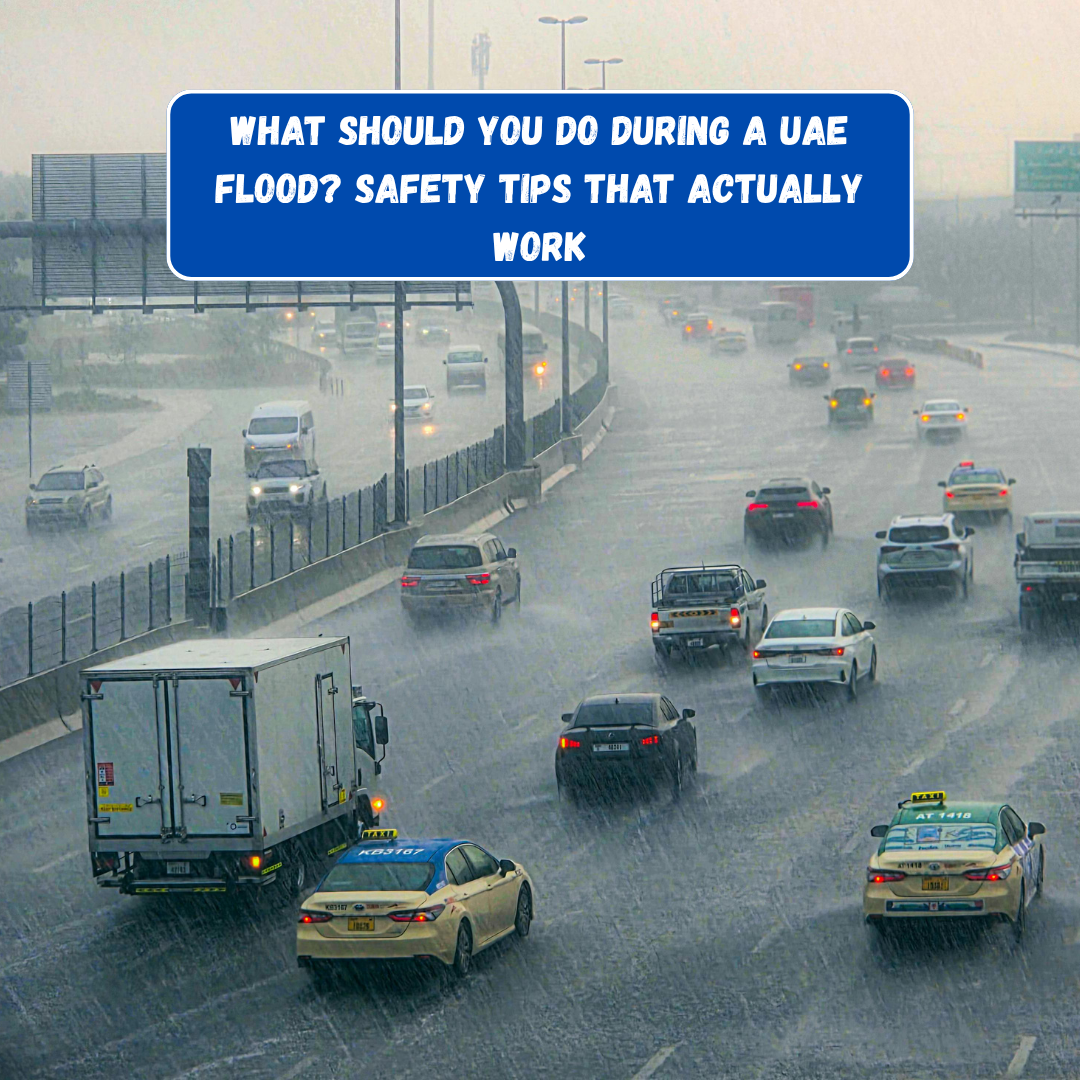
You’re halfway through your morning drive when the sky suddenly turns heavy, visibility drops, and within minutes a UAE flood begins to build on roads you use every day. Traffic slows to a crawl, engines stall in rising water, and what feels like a normal workday quickly turns into a stressful, risky situation. Strong winds, thunderstorms, and rough seas only add to the concern, especially if you’re responsible for getting to work, managing deliveries, or keeping your family safe.
This is not just about weather. It’s about the choices you make in the moment, the safety of your vehicle, and the financial impact that can follow. If you rely on your car daily or manage others on the road, this matters more than ever.
If you’re stepping out today, here’s what you need to know right now.
UAE Weather Today: What’s Happening Right Now
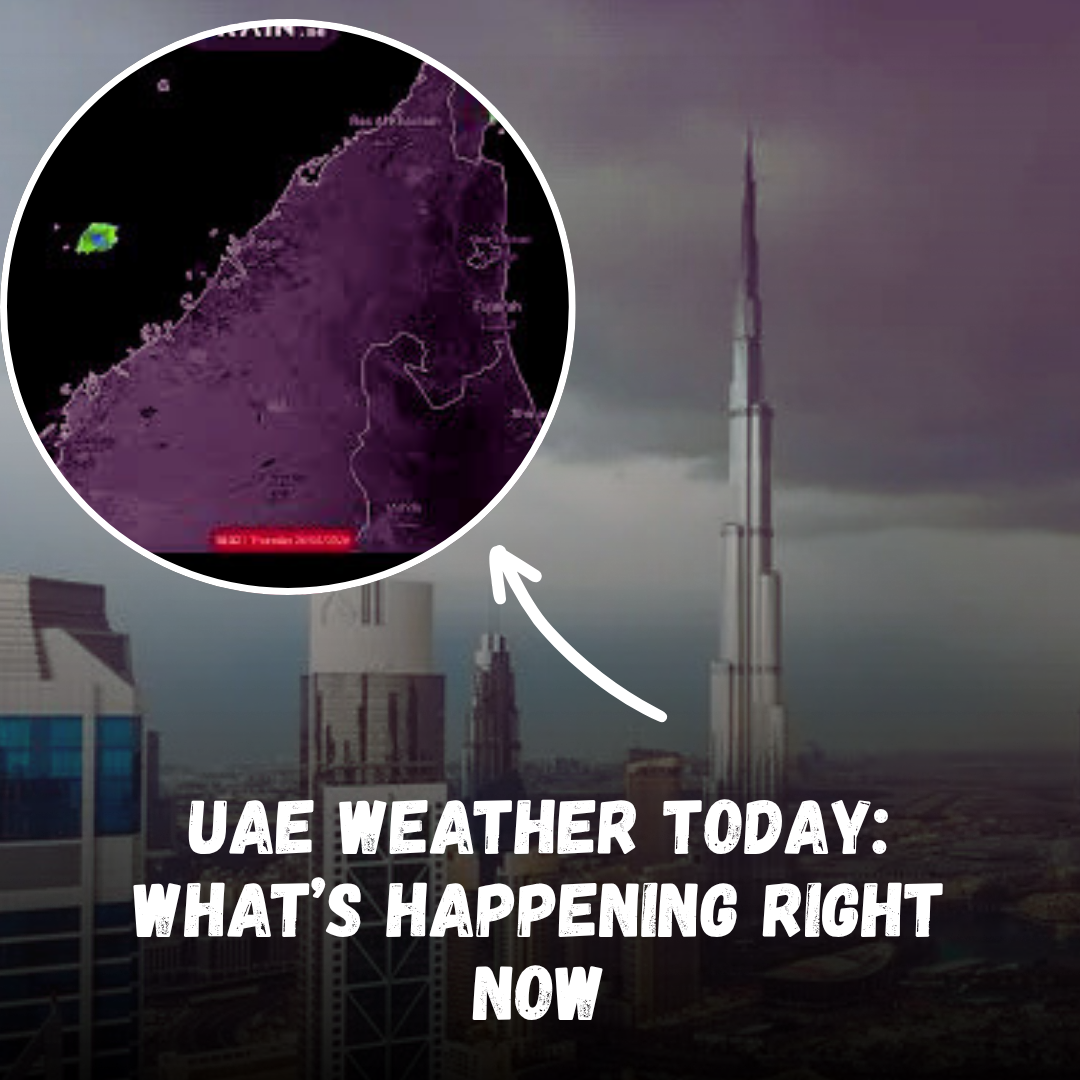
The weather across the UAE has shifted quickly, and conditions are no longer mild or predictable. What you’re seeing now is a mix of active rain systems that demand attention, especially if you’re heading out.
Current Weather Pattern
- Heavy rain: Sudden downpours are hitting without long warning, reducing road grip within minutes.
- Thunderstorms: Lightning and loud thunder are frequent, especially during peak cloud activity.
- Strong winds: Gusts are pushing water across roads and affecting vehicle control.
- Low visibility: Rain and mist are cutting down visibility, especially on highways.
Areas and Timing to Watch
- Dubai, Abu Dhabi, and Sharjah: These cities are seeing the most impact, especially on main roads and underpasses.
- Peak hours: The Morning rush and evening commute are worst hit, with rain building up faster during these times.
Why Do UAE Flood Conditions Build So Fast?
- Roads can collect water quickly, and even a short spell of heavy rain can turn into a UAE flood within minutes due to limited drainage in some areas.
- Water tends to settle in low-lying zones, making familiar routes risky without warning.
Quick Tip:
- Check live updates before leaving.
- Avoid underpasses during heavy rain.
- Delay travel if visibility drops suddenly.
And when rain hits this hard, traffic is the first thing to collapse.
Traffic Chaos Explained: What Drivers Are Facing
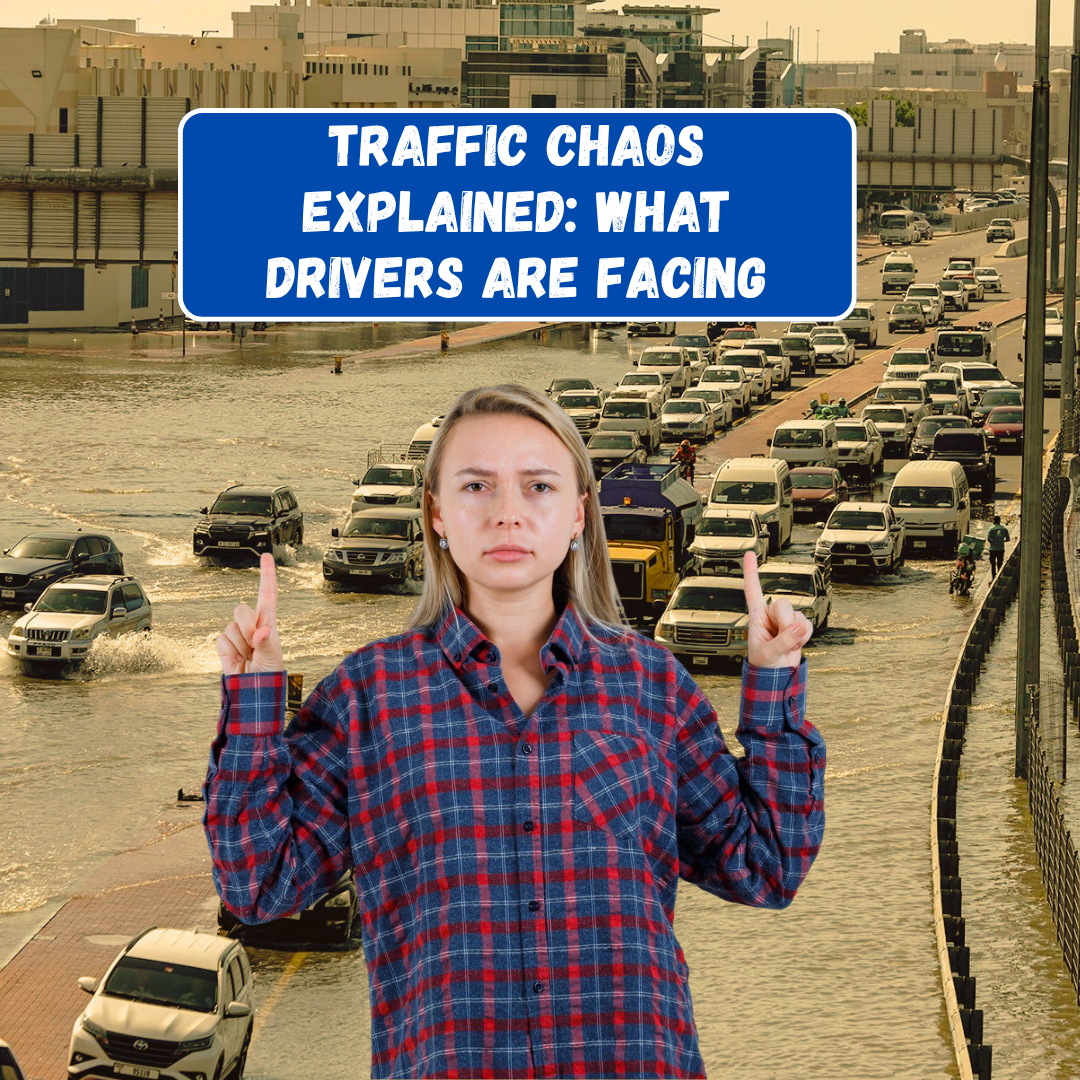
Once rain settles in, roads start reacting almost immediately. Traffic does not slow down gradually; it builds pressure all at once.
What’s Happening on the Roads
- Waterlogged roads: Water collects quickly, especially in dips and corners, making tyres lose grip.
- Vehicle breakdowns: Engines fail when water enters, leaving cars stranded mid-road.
- Long traffic jams: Even one stalled car can block an entire lane for hours.
- Skidding risks: Wet roads reduce control, especially during sudden braking.
Impact on Daily Commuters
- Office workers face unexpected delays and late arrivals.
- Delivery drivers deal with missed timelines and route changes.
- Ride services slow down, leading to cancellations and longer wait times.
High-Risk Zones to Avoid
- Underpasses fill up first and become unsafe quickly.
- Low-lying roads hold water longer than expected.
- Highways turn risky when visibility drops, and speed remains high.
Even a small UAE flood can shut down key routes within minutes.
So the real question is not whether it will affect you, but how prepared you are.
Immediate Safety Tips During the UAE Flood
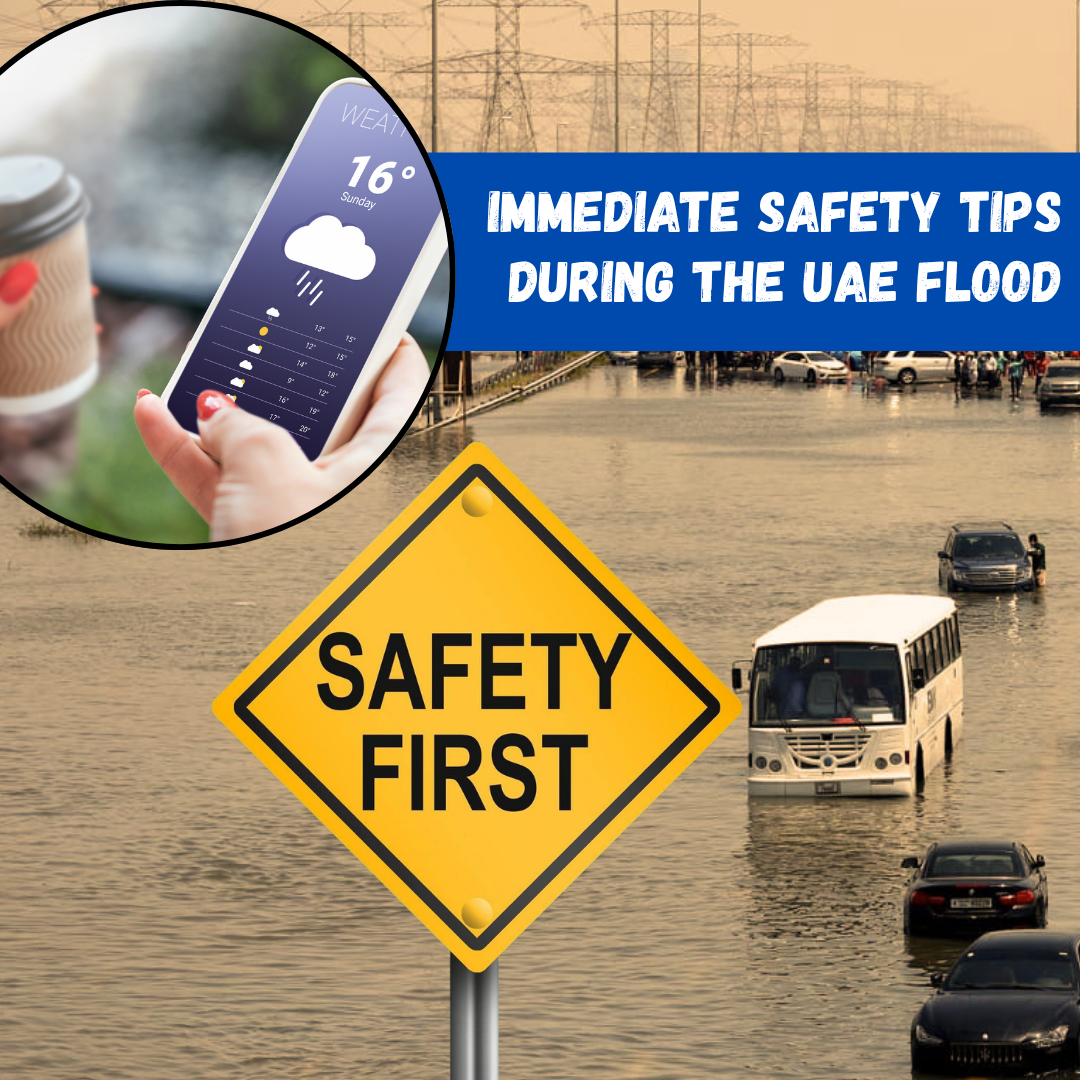
When heavy rain begins, your response in those first few minutes matters. Whether you’re on the road, at home, or managing work vehicles, simple actions can prevent serious loss during a UAE flood.
Before You Step Out or Start Your Day
- Check live weather and traffic updates.
- Avoid unnecessary travel during peak rain.
- Move vehicles away from low-lying or basement parking.
- Secure outdoor items around your home.
These small checks help you stay ahead of sudden UAE flood situations instead of reacting late.
While Driving in the UAE Flood Conditions
- Slow down and avoid sharp braking.
- Keep a safe gap between vehicles.
- Do not drive through flooded roads, even if others are doing it.
- Use hazard lights when visibility drops.
Even shallow water can affect control and lead to unexpected breakdowns.
At Home or Workplace
- Keep doors, windows, and balconies secure.
- Avoid stepping into waterlogged areas due to hidden hazards.
- Switch off the electrical points if water starts entering.
- To keep safe and prevent the spread of illness, maintain a clean and healthy diet.
This reduces the risk of electrical damage and keeps your space safe.
If Your Car or Property Is Affected
- Turn off the car engine immediately if stuck in water.
- Do not restart, as this can worsen engine damage.
- Move to a safe, dry area as soon as possible.
Water can damage engines, wiring, and interiors within minutes, and in severe UAE flood cases, repair costs can rise quickly or lead to total loss.
Once you’ve taken these safety steps, the next question becomes clear: are you financially prepared if the damage still happens?
How Does Car Insurance Protect You from UAE Flood Damage?
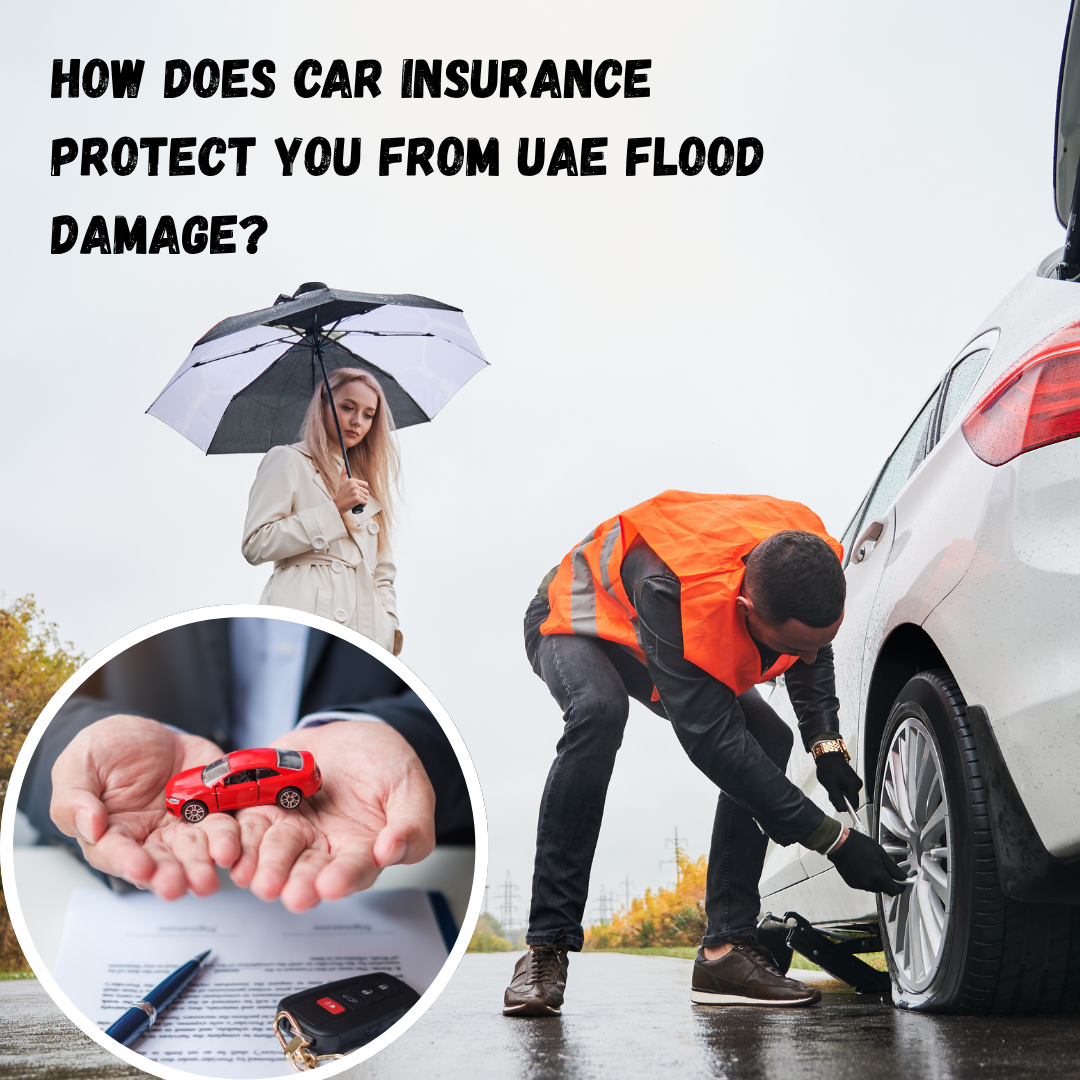
When a UAE flood damages your vehicle, your car Insurance to save your money from heavy repair expenses and decides whether you face a manageable claim or a heavy expense. This is where understanding your coverage becomes important.
What Usually Gets Covered
- Flood damage under a comprehensive car insurance plan.
- Damage caused by heavy rain, storms, or water entering the vehicle.
These policies are designed to protect you from sudden weather-related risks that are common during UAE storms.
What Usually Does Not Get Covered
- Driving into deep or clearly flooded water (treated as negligence).
- Third-party insurance plans that do not include flood or natural damage.
Why Choosing the Right Cover Matters
Not all policies offer the same level of protection. With the right guidance, like what Insura provides, you can choose a plan that fits UAE conditions and avoid claim rejection when you need support the most.
What many drivers miss is that this risk doesn’t stop at personal vehicles. The same UAE flood conditions affect businesses even more, especially when multiple vehicles are on the road at the same time.
Commercial Vehicles & Fleet Risk During Heavy Rain
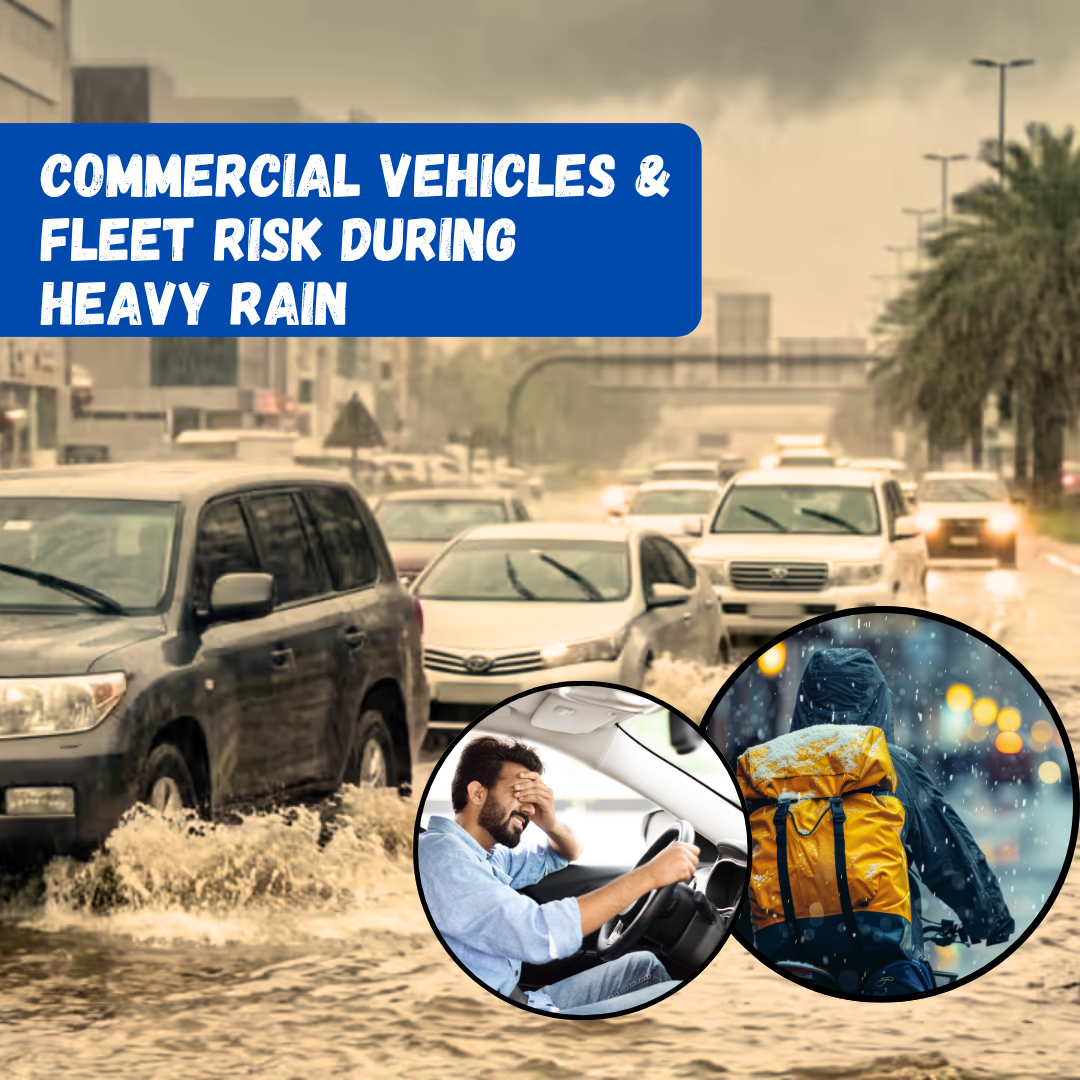
When heavy rain hits, business vehicles face pressure first, especially those that stay on the road all day. For many operators, even a short disruption can affect the entire day’s work.
Who Is Most Affected
- Delivery drivers are managing tight schedules.
- Logistics companies handle daily movement.
- Fleet managers responsible for multiple vehicles.
Real Risks You Can’t Ignore
- Business disruption: Delays in deliveries and missed commitments.
- Vehicle downtime: One breakdown during a UAE flood can stop operations.
- Financial losses: Repair costs and lost business add up quickly. So choose the right Insurance company in Dubai UAE and make sure you are safe.
Why Insurance Becomes Essential
- Commercial vehicle insurance helps cover damage during heavy rain.
- Fleet insurance protects multiple vehicles under one plan.
When several vehicles are on the road, the risk multiplies. Even one incident during a UAE flood can affect the entire operation.
While vehicles face the biggest impact, people’s safety is just as critical.
Smart Preparation Checklist for UAE Rainy Days
When weather warnings start coming in, preparation should not be delayed. A few simple checks can help you stay in control, even during a sudden UAE flood.
Quick Checklist You Should Follow
- Monitor weather updates: Check reliable sources before stepping out to avoid risky timings.
- Avoid flooded routes: Stick to main roads and avoid underpasses or low-lying areas.
- Check insurance coverage: Make sure your car and health insurance are active and suitable for UAE conditions.
- Keep emergency contacts ready: Save roadside assistance and emergency numbers for quick access.
- Ensure vehicle maintenance: Check tyres, brakes, and battery to handle wet road conditions.
- Review your health insurance: In case of injuries or emergencies, quick access to care matters that’s why reviewing your Health Insurance for Hospital Bills is important.
Each step reduces your exposure to risk and helps you act early instead of reacting late during a UAE flood.
Preparation does not take much time, but it can save you from stress, delays, and unexpected costs.
Conclusion
Heavy rain in the UAE is no longer rare, and a UAE flood can build faster than most people expect. From sudden traffic breakdowns to vehicle damage and safety risks, we’ve covered what really happens on the ground and what you should do at the right time. The key is simple: stay alert, make smart driving decisions, and do not ignore early warnings.
At the same time, safety is not only about avoiding risk. It is also about being prepared for what you cannot control. The right car insurance, health insurance, and cover for commercial or fleet vehicles can protect you from the financial impact that often follows a UAE flood.
With the right support, like what Insura helps you find, you can choose coverage that actually works in UAE conditions. Before the next UAE flood hits, make sure you’re not just informed, but protected.