That uneasy feeling right before a licence approval comes through is something most UAE business owners are familiar with. You check your documents twice, scan every requirement, and still wonder what might delay the process. This is exactly where workmen’s compensation insurance quietly enters the picture. Many entrepreneurs focus on visas, office space, and government clearances, yet insurance obligations often surface later, sometimes at the most inconvenient stage.
In practice, trade licensing is not just an administrative step, especially if you are in a manufacturing business. It reflects your company’s legal and operational readiness. Missing a required policy can slow approvals, trigger objections, or create unnecessary complications. More importantly, this insurance is not simply a regulatory formality. It protects your business, your workforce, and your financial stability. If licensing rules have ever felt confusing or unexpectedly strict, you are not alone. Let’s break down why this coverage carries far more weight than many realise, and a trusted insurance company in Dubai, UAE, can make the process simple.
Role of Workmen’s Compensation Insurance in Business Licensing
Trade licensing in the UAE follows clear compliance rules, yet many business owners only discover certain requirements during document checks. One of the most commonly reviewed elements is workmen’s compensation insurance from a trusted business insurance provider in UAE, and its role goes far beyond routine paperwork.

1. Legal Compliance Comes First
Licensing authorities expect businesses to meet defined insurance obligations before approvals or renewals move forward. Workmen’s compensation insurance sits firmly within these expectations.
- Authorities often request valid proof of coverage during licensing procedures.
- The requirement applies across mainland businesses and many free zones.
- Missing coverage can trigger penalties, delays, or licence complications.
- The policy supports employer responsibilities under UAE labour practices.
For business owners, this insurance directly connects to operating within regulatory boundaries rather than serving as an optional extra.
2. Financial Protection That Businesses Need
Workplace incidents introduce costs that rarely appear in early business planning. Even minor injuries can create unexpected financial pressure.
- Medical treatment and hospital expenses can escalate quickly.
- Salary obligations may continue during employee recovery periods.
- Compensation liabilities can affect operational budgets.
- Workmen’s compensation insurance absorbs much of this financial impact.
By stabilising these risks, the policy helps companies maintain cash flow and avoid sudden disruptions.
3. Employee Protection Builds Business Stability
Group medical insurance in the UAE also plays a practical role in workforce management. It creates a structured response when accidents occur.
- Employees gain access to medical care without funding concerns.
- Income support mechanisms reduce payroll-related uncertainty.
- Serious incidents follow defined compensation processes.
- Repatriation obligations receive proper financial backing.
This framework strengthens workplace confidence and reflects responsible employer conduct within the UAE business environment.
4. Why High-Risk Industries Face Greater Scrutiny
Certain sectors naturally attract closer regulatory attention due to operational exposure. Public liability insurance in UAE becomes even more significant in these industries.
Construction
- Higher physical risk and site-related hazards.
- Frequent compliance verification during licensing.
Manufacturing
- Equipment usage and workplace safety exposure.
- Greater injury-related liability considerations.
Logistics
- Vehicle movement, handling risks, and loading activities.
- Increased potential for occupational incidents.
Cleaning and Maintenance
- Daily on-site tasks across varied client locations.
- Consistent requirement for active insurance protection.
In these environments, workmen’s compensation insurance functions as a core risk control measure rather than a simple regulatory step.
Understanding these licensing, financial, and operational factors allows business owners to evaluate insurance decisions with clarity. The next logical question then becomes: what exactly does this coverage include, and how does it work in practice?
What Workmen’s Compensation Insurance Covers?
Before choosing any policy, business owners often ask a very practical question: what protection does this insurance actually provide? Understanding the scope of workmen’s compensation insurance removes uncertainty and helps you evaluate coverage with clarity.
1. Medical Care and Treatment Costs
- Covers hospitalisation expenses arising from job-related injuries.
- Includes emergency treatment and urgent medical care.
- Supports recovery-related costs such as follow-up visits and prescribed treatment.
2. Salary and Income Support
- Offers wage replacement based on policy terms.
- Reduces financial disruption for the employee.
- Helps employers meet compensation obligations smoothly.
3. Disability-Related Compensation
- Addresses compensation for temporary disability cases.
- Provides support in permanent disability outcomes.
- Helps manage extended financial liabilities.
4. Death and Family Support Benefits
- Provides financial benefits to eligible dependants.
- Supports employer liability under labour regulations.
- Reduces severe financial exposure for the business.
5. Repatriation Obligations
- Covers expenses for returning mortal remains to the home country.
- Helps employers fulfil legal and administrative duties.
- Prevents unexpected logistical and financial strain.
A clear understanding of these coverage areas allows businesses to assess policy value with confidence. With this foundation in place, the next step is knowing what misconceptions businesses have.
Common Misconceptions Business Owners Have

Many licensing and insurance delays do not come from missing documents. They usually start with assumptions that seem normal and genuine at first but create problems later. Let’s address a few of the most common ones business owners often carry.
1. “My Business Is Small, So the Risk Is Low”
Business size does not eliminate workplace exposure. Even a small team faces daily operational risks, whether in an office, shop, or site environment.
2. “Nothing Will Happen to My Staff”
Every workplace carries some level of risk, even in controlled settings. Routine activities, travel, or basic tasks can still result in injuries.
3. “Insurance Is Just an Extra Cost”
Viewing insurance purely as an expense overlooks its protective function. A single incident can easily exceed years of premium payments.
4. “Licensing Authorities Rarely Check”
Compliance verification may not occur daily, yet it remains an active part of regulatory oversight. Gaps often surface during renewals, audits, or disputes.
Clearing these misconceptions helps business owners approach insurance decisions with sharper judgement. With this clarity in place, the next step is understanding how to choose coverage that genuinely fits your business operations.
Practical Tips Before Choosing a Policy

Selecting the right policy requires more than comparing prices. A careful review of your business structure, workforce, and risk exposure leads to smarter and safer insurance decisions.
Match Coverage with Workforce Size
Start by evaluating how many employees your business currently has and how that number may change.
- Align policy coverage with your active employee count.
- Review coverage during hiring or expansion phases.
- Avoid underinsuring or carrying unnecessary limits.
Consider Industry-Specific Risks
Every industry carries its own operational patterns and risk factors.
- Identify daily work environments and tasks.
- Assess potential injury exposure within roles.
- Ensure workmen’s compensation insurance matches business activity.
Check Policy Limits Carefully
Policy limits define how much financial protection applies in real situations.
- Verify medical expense and compensation limits.
- Confirm coverage adequacy for your industry type.
- Balance affordability with realistic protection needs.
Understand Exclusions Before Purchase
Every insurance policy contains exclusions that restrict certain claims or events.
- Review conditions where coverage may not apply.
- Clarify unclear clauses with an advisor.
- Confirm alignment with workplace operations.
Work with a Broker
Insurance policies often appear similar but differ significantly in scope and conditions.
- Brokers explain coverage differences clearly.
- Policy selection becomes need-based rather than price-driven.
- Workmen’s compensation insurance choices gain practical clarity.
Expert advice reduces costly selection errors.
With these selection principles in mind, the next consideration involves choosing the right advisory support. Let’s now look at how Insura.ae assists UAE businesses throughout this process.
How Insura.ae Supports UAE Businesses?
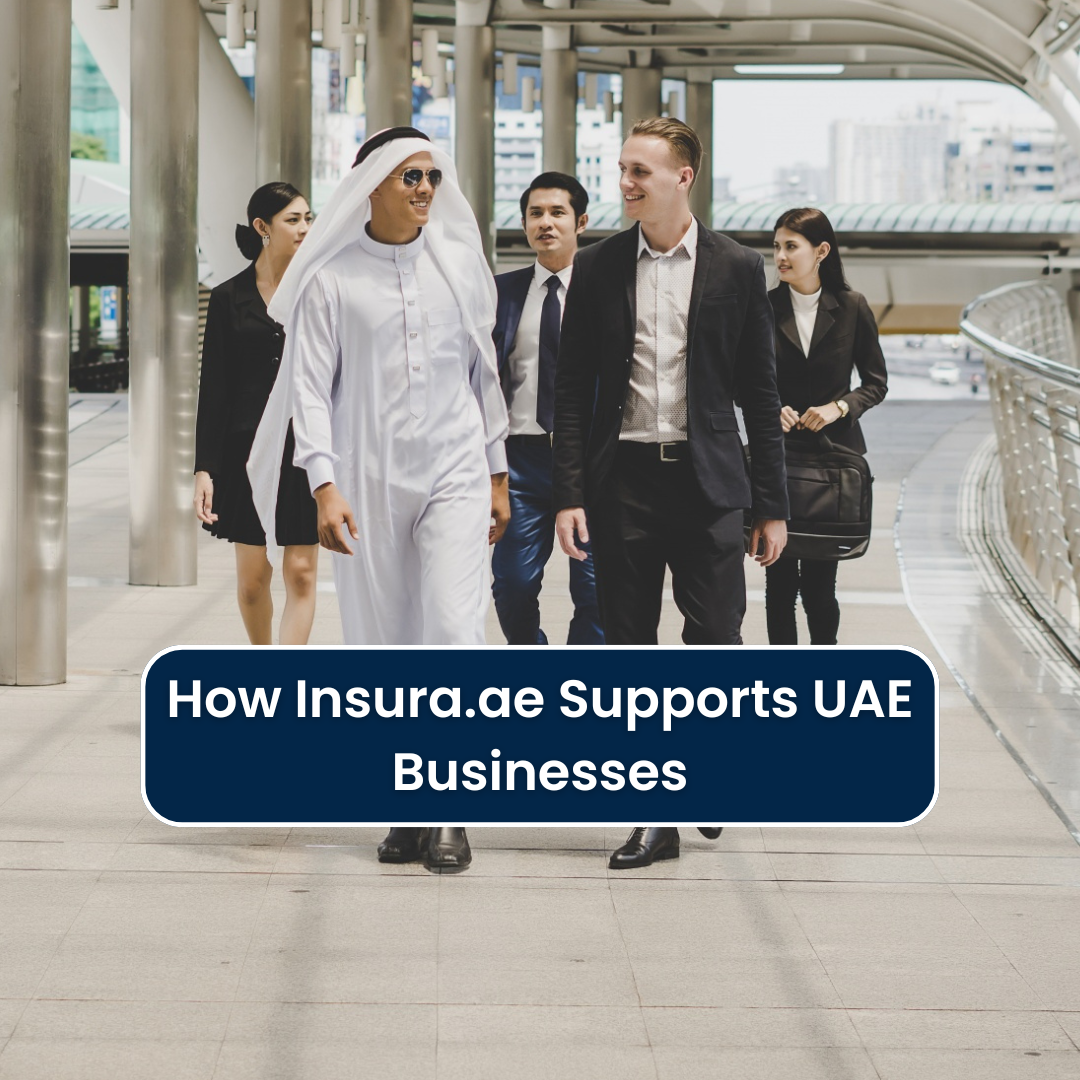
Choosing the right insurance policy often feels more complicated than it should. This is where working with an experienced broker like Insura.ae changes the process and brings practical clarity.
1. Unbiased Policy Guidance
- Insura recommendations focus on suitability, not product pushing.
- Policy comparisons remain objective and practical.
- Businesses gain a clearer view of available options.
2. Cost Optimisation Through Market Access
- Access to multiple insurers under one consultation.
- Negotiation leverage that individual buyers rarely have.
- Better alignment between premium and coverage value.
3. Coverage Aligned to Business Activity
Insura.ae evaluates operational realities before suggesting any workmen’s compensation insurance structure.
- Coverage reflects workforce roles and industry exposure.
- Policy limits match actual business requirements.
- Protection avoids both gaps and excess inclusions.
4. Claims Support
Insura.ae assists businesses through procedures that can otherwise feel time-consuming and unclear.
- Guidance on documentation and reporting steps.
- Coordination with insurers for smoother processing.
- Reduced administrative pressure on business teams.
5. Staying Aligned with UAE Regulations
Insura.ae monitors relevant insurance and labour-related requirements.
- Policies structured around current UAE practices.
- Reduced risk of non-compliant coverage issues.
- Greater certainty during licence approvals or renewals.
6. Making Insurance Easy to Understand
Insura.ae simplifies policy details into clear, usable explanations.
- Key terms translated into plain business language.
- Coverage scope explained without ambiguity.
- Business owners gain a practical understanding of protection.
With the mechanics of broker support now clearer, the final piece is tying everything together. Let’s close by revisiting why this insurance decision holds long-term significance for UAE businesses.
Conclusion
Business licensing in the UAE reflects more than regulatory approval. It signals that a company operates with structure, responsibility, and full compliance. Workmen’s compensation insurance plays a direct role in that foundation, supporting both legal requirements and day-to-day risk management.
Viewed practically, this policy safeguards far more than paperwork. It protects financial stability, supports workforce obligations, and prevents disruptions that can arise from unexpected workplace incidents. Businesses that treat insurance as a protective asset rather than a formal requirement often navigate licensing and operations with fewer complications.
The key lies in making informed, well-assessed decisions. Coverage should align with business activity, workforce exposure, and regulatory expectations. With the right guidance and a clear understanding of risks, companies strengthen both compliance confidence and operational resilience.