
Does travelling across the city feel tiring to you? Most newcomers face this the moment they land in Dubai. You step out for work, look at the map, hear words like ‘zones’, ‘cabins’, and ‘Nol’, and suddenly, Dubai public transport feels like a puzzle you never signed up for. We’ve watched many residents go through the same thing, people changing three buses in panic because they didn’t know the metro line was faster. That’s why one clear guide is a solution to many problems like this.
That’s why we keep this introduction straightforward, practical, and based on real experience. When you understand how the system works, you save money, avoid avoidable fines, and travel without that daily uncertainty. Dubai moves fast, but once you learn the rules, timings, and simple tricks, your commute becomes easier than you imagined. This blog walks you through everything step by step so you travel smarter, not stressed.
Legal and Safety Rules Every Commuter Must Follow
A clear understanding of the basics helps you move through Dubai’s system with confidence. These rules may look simple, but they shape your daily journeys and protect you from mistakes that lead to delays or fines.
1. The Nol Card
Types of NOL cards
- Silver for regular daily travel
- Gold for premium cabin access
- Red paper ticket for short-term use
- Blue personalised card with balance protection
Recharge habits
- Keep a minimum balance of AED 15 before tapping in
- Top up online or at stations to avoid last-minute queues
2. Prohibited Actions and Real Fines
- Activities like eating, drinking, smoking, and vaping are not allowed inside buses, metros, trams, or stations. Fine: AED 100.
- Any damage or mess leads to a fine of AED 200.
- Keeping feet on seats attracts a fine of AED 100.
- Loud calls or disruptive behaviours result in a fine of AED200.
- PDA is not allowed in public transport areas. Fine: AED 200.
3. Dress Code You Must Respect
- Dress modestly, especially in busy public transport areas.
- People wearing clothes considered too revealing often receive a polite warning from station staff.
4. Insurance Essentials for Commuters
- Daily commuting increases physical exposure, so basic health insurance in Dubai UAE coverage helps in unexpected situations.
- Many commuters switch between public transport and rented cars; proper car insurance in Dubai cover protects you from accidental costs.
- Inbound travel insurance is useful when you travel between emirates frequently.
- Insura helps commuters understand these cover options clearly, especially when they need simple, budget-friendly plans.
5. Basic Etiquette
- Form a straight line and let people exit before you enter.
- Standing behind the yellow line keeps the platform movement smooth and safe.
- Dedicated cabins and entry points ensure safer and more organised travel.
6. General Conduct
- Keep conversations soft and respect personal space.
- Avoid loud videos, phone calls, or music.
- Hold railings, keep bags close, and stay alert during peak hours.
These basics create a strong foundation for your daily travel. Now that you know how the system works, let’s move into the different modes of Dubai public transport and understand how each one fits into your routine.
All modes of Dubai public transport
Quick snapshots for each mode’s routes, timings, payment, rules, fines and practical tips you can use from day one.
1. Public Buses
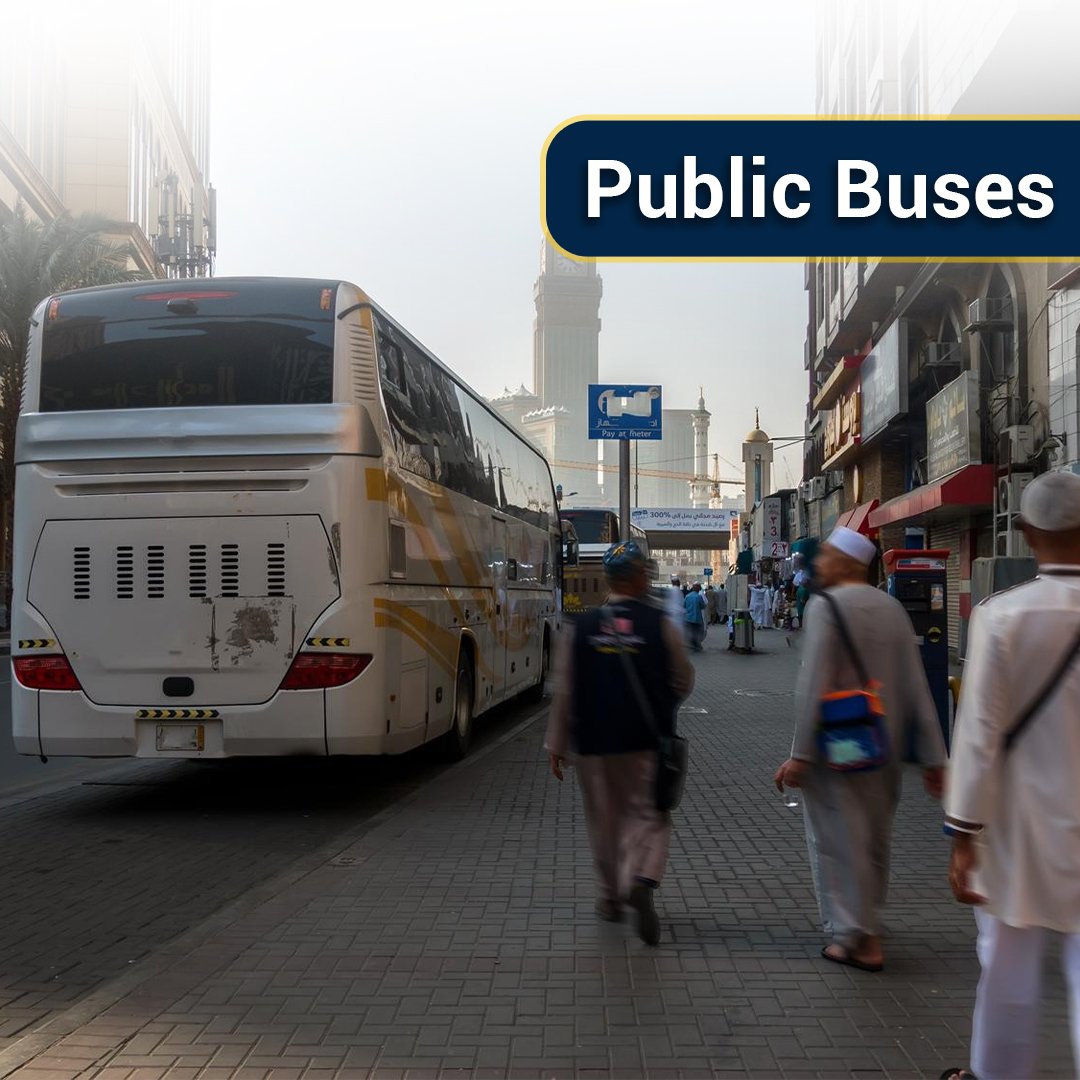
Public buses cover almost every corner of the city, so they become the easiest option when you want a simple and affordable way to move around.
Types of Buses
- Local city buses run through residential and commercial areas.
- Feeder buses connect neighbourhoods directly to metro stations.
- Intercity coaches link Dubai to Sharjah, Ajman and other emirates.
Common Worker Routes
- Many routes pass through industrial zones and labour hubs.
- Buses run frequently during shift changes, which keeps travel manageable even on busy days.
Timings
- Dubai buses operate daily from 4:00 a.m. to 1:00 a.m., giving commuters long operational hours to plan their travel.
- Only the C01 bus runs 24 hours, making it useful for airport trips, late shifts and early-morning commutes.
Fares and Nol Usage
- Silver and Red NOL cards work on all buses.
- Always tap in and tap out to avoid zone overcharges.
Rules and Fines
- No eating, drinking or littering inside the bus.
- Common violations fall in the AED 100 to AED 200 range.
- Damaging property or causing disturbance brings higher penalties.
2. Dubai Metro

For fast and reliable travel across the city, the Dubai Metro offers a clean, efficient, and stress-free way to move between key areas.
Lines
- The Red Line and Green Line cover major residential, business and tourist areas, making daily travel straightforward for most commuters.
- Both lines link smoothly with buses and trams, which helps when you need quick connections.
Timings
- Trains arrive every few minutes, so waiting time stays short even during busy hours.
- Metro stations operate from:
- Monday to Thursday: 5:00 am to 12:00 am
- Friday: from 5:00 am to 1:00 am (the next day)
- Saturday and Sunday: 5:00 am to 12:00 am
- Weekend and public holiday hours may shift slightly, so a quick review on the RTA app always helps.
Fares and Payment
- You pay with a Nol card or Nol ticket; the system automatically calculates your zone fare when you tap in and out.
- Gold Class cabins require a Gold Nol card or Gold ticket, and the fare is roughly double the standard class.
Rules, Fines and Cabins
- Eating, drinking or creating a disturbance inside cabins can lead to AED 100 fines.
- Entering the Gold cabin with a Silver card or standard ticket attracts a fine of AED 200.
- Women’s and children’s cabins are marked clearly and must be followed.
3. Dubai Tram
Gliding through Dubai Marina and Jumeirah Beach Residence, the Dubai Tram offers a scenic, safe, and convenient way to connect key waterfront areas while linking seamlessly with the metro.
Routes and Stops
The tram starts at Al Sufouh and covers major spots like Marina Towers, Dubai Marina, and Jumeirah Lake Towers. Currently, there are 11 tram stations, all designed for easy access and smooth transfers to metro stations.
Timing
Trams run at frequent intervals, ensuring reliable travel throughout the day:
- Monday to Saturday: 06:00 am to 01:00 am (next day)
- Sunday: 09:00 am to 01:00 am (next day)
Weekend evenings see a higher frequency to accommodate more commuters.
Fare System
Your Nol card works seamlessly on the tram. When transferring between the metro and tram, treat fares as integrated to avoid overpaying.
Safety Rules
Never cross tracks or enter restricted areas; the tram network prioritises commuter safety at every station.
Fines
Crossing tracks, tampering with tram operations, or ignoring safety rules can lead to fines up to AED 1,000 or more.
4. Dubai Taxi Services
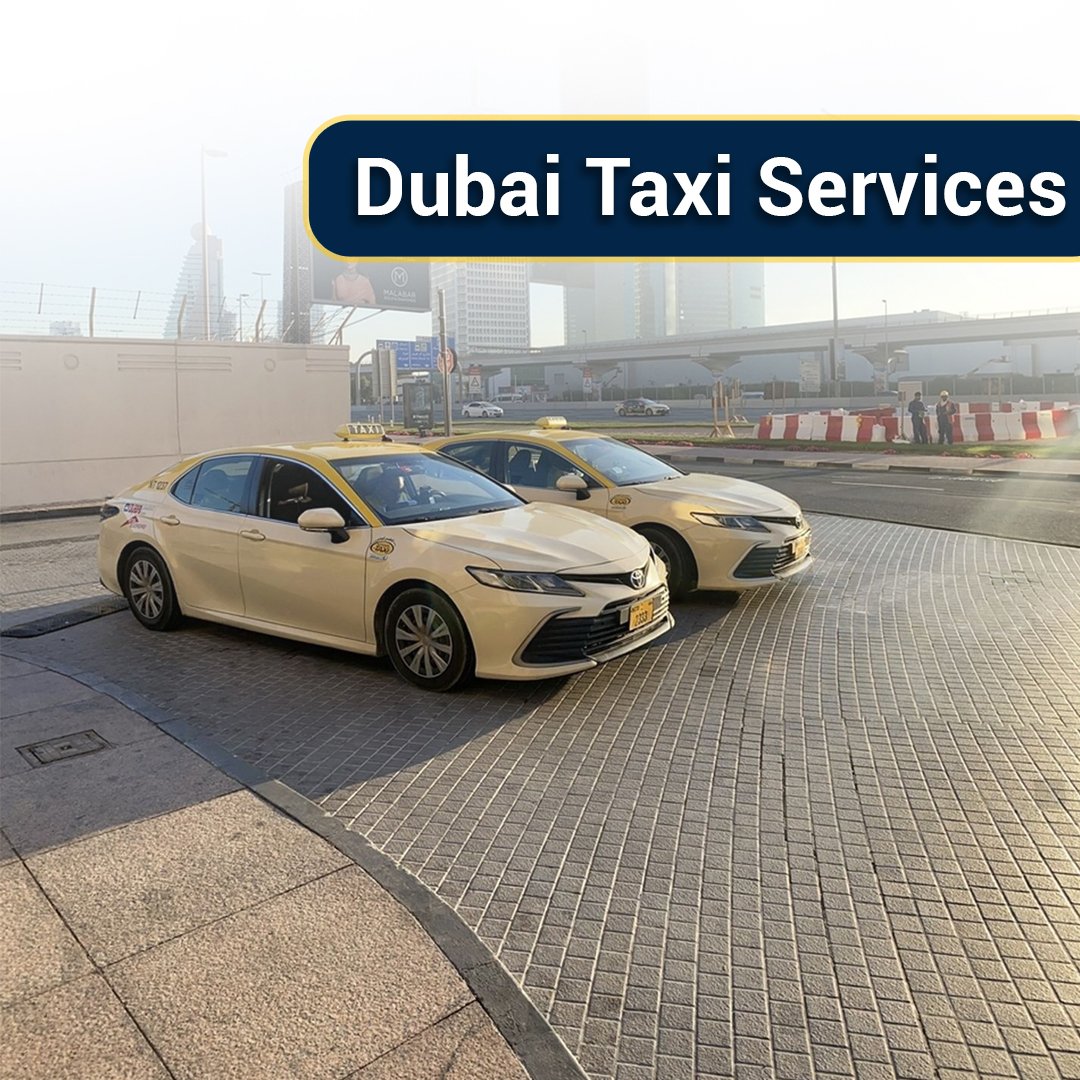
For point-to-point travel, late-night trips, or when you have luggage in tow, Dubai taxis offer a reliable and convenient option.
Types
- Regular RTA taxis for city travel
- Airport taxis for quick airport connections
- App-based e-hail services like Careem and Uber for flexible, on-demand rides
When to Choose a Taxi
Use taxis when time is tight, public transport doesn’t reach your destination, or you prefer comfort after a long day.
Meter System
Taxi fares include a flag fall plus a per-kilometre charge.
App-based rides may have minimum fares and booking fees.
For those driving their own rental cars, verify that you have valid third-party car insurance in Dubai.
Taxi operators should maintain proper fleet insurance in the UAE for all vehicles.
Payment
Most taxis accept cash, cards, and app payments, making transactions smooth and hassle-free.
Behaviour and Fines
You may face fines or complaints if you refuse short trips, harass drivers, or violate local rules.
With these practical notes, you can pick the right mode for each trip and dodge common mistakes.
Closing Thoughts
Understanding Dubai public transport isn’t just about getting from A to B; it saves time, reduces stress, and helps you avoid unnecessary fines. Following rules, respecting conduct, and knowing routes ensures smooth daily commutes and a safer journey for everyone.
At Insura, we provide clear, trustworthy guidance on transport, insurance, and living in Dubai, helping you make informed decisions with confidence.
Explore more of our practical guides on the blog to stay updated and travel smarter every day.
Ready to move around Dubai stress-free? Dive into our expert tips and discover the best ways to navigate the city like a local.