
A container loaded with high-value electronics departs Jebel Ali, destined for Rotterdam. Three weeks later, a natural disaster strikes: a storm in the Bay of Biscay leaves half the cargo waterlogged, ruined, and worthless. No prior warning. No recourse. The entire loss lands, without mercy, on your balance sheet. This isn’t an unusual circumstance. It’s a reality far too many businesses ignore until it’s too late. And this is precisely why marine cargo insurance can be so valuable. It gives businesses a financial safety net when unexpected losses occur during transit.
Global trade thrives on movement by sea, air, rail, and road, but every mile introduces vulnerability. Shipments suffer damage, vanish in transit, or stall at customs. For UAE-based traders shipping across continents, these risks don’t just threaten profits, they put business survival at risk. One incident can erase your months of hard-won margins.
This article walks through what marine cargo policy actually covers, who needs it, and how to choose a policy that genuinely protects your shipments rather than just ticking a compliance box.
What Is Marine Cargo Insurance?
A policy that reimburses you when goods are lost, damaged, or stolen during transit, whether by ship, plane, truck, or train. Despite the name, it’s not confined to oceans. Modern coverage includes the entire supply chain, from warehouse departure to final delivery. It’s not an expense. It’s a sensible safeguard, one that stands between your company and the unpredictable chaos of international logistics.
For businesses in the region, choosing a reliable marine cargo insurance provider in the UAE ensures your shipments are protected across every leg of the journey. Local providers understand the region’s trade routes, port regulations, and common risks, so they can tailor cover that fits your exact supply chain. That means fewer gaps, faster claims, and peace of mind as your goods move across borders.
Who Needs It?
Importers
Once the shipment leaves the overseas seller, you’re responsible for it, even if it hasn’t arrived in your country yet.
Exporters
UAE exporters selling to overseas buyers usually bear responsibility until the goods reach an agreed point, depending on the terms and conditions used in the contract.
Manufacturers
Whether shipping raw materials or finished products, your supply chain is only as strong as its weakest link.
Wholesalers & Distributors
Bulk shipments moving through multiple ports and warehouses face more handling and more opportunities for damage.
E-commerce Exporters
Small parcels add up. Hundreds of shipments mean hundreds of potential losses. Cumulative risk demands comprehensive protection.
How Does Marine Cargo Policy Protect Your Shipment?
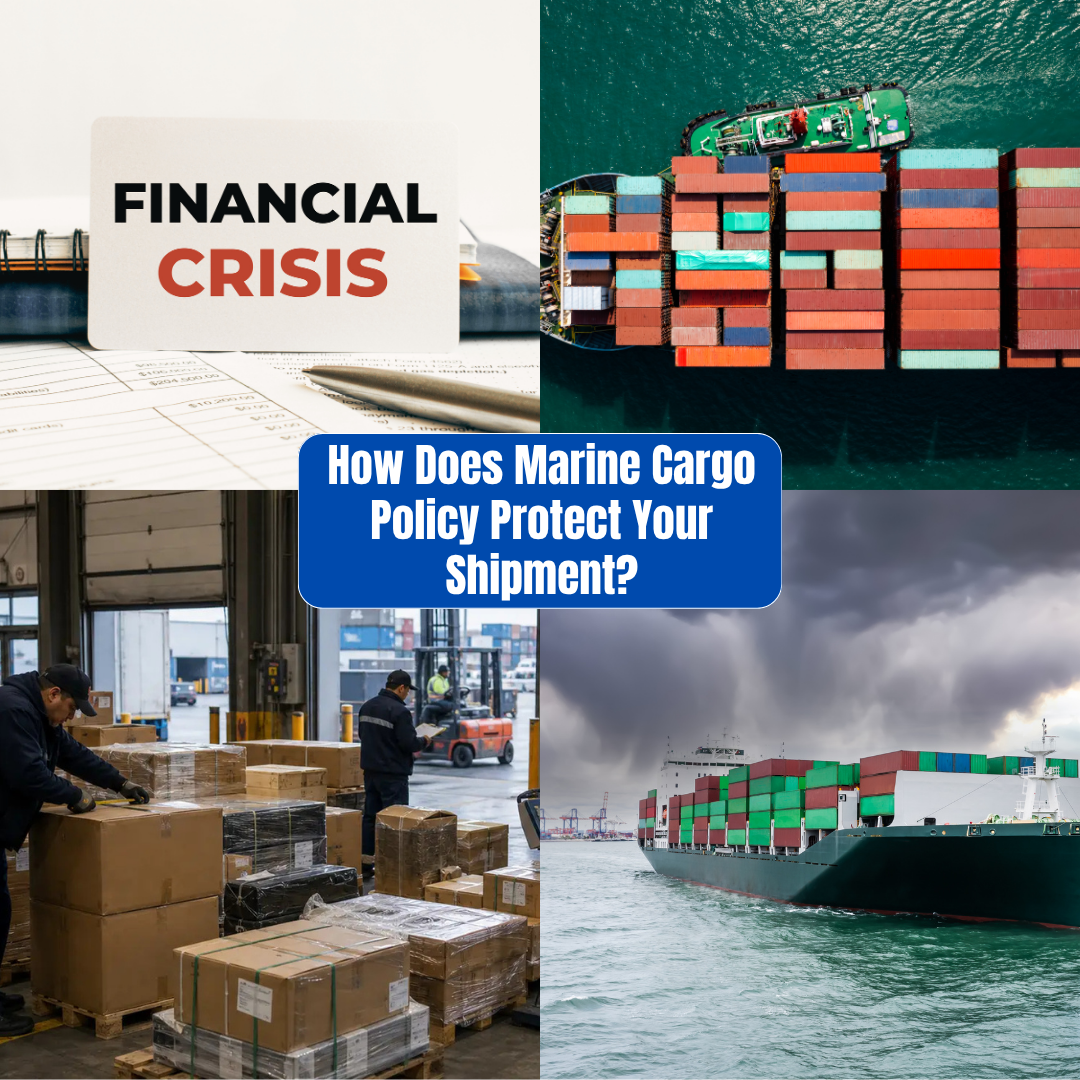
A marine cargo policy protects your shipment by covering the full commercial value of your goods against loss, damage, or theft while in transit, whether by sea, air, road, or rail. It comes into effect from the moment your goods leave the warehouse until they reach their final destination, including during loading, unloading, and temporary storage, so you’re compensated for accidents, storms, piracy, mishandling, and other external risks.
Covers Financial Losses
If cargo arrives damaged or doesn’t arrive at all, the policy compensates the insured value, so the loss doesn’t have to be absorbed entirely by your business.
Protects Goods Throughout the Journey
Your cargo is your business: every box, pallet, and shipment represents hard-earned value. This coverage protects goods throughout the journey, from warehouse to warehouse, so you can move with peace of mind across road, sea, or air.
With protection against loss, damage, theft, and delays, your supply chain stays protected, and your bottom line stays safe, no matter what the journey brings your way.
Warehouse to Warehouse Cover
Many policies extend beyond the sea or air leg, covering goods from the moment they leave the seller’s or your warehouse until they reach the buyer’s location.
Sea Freight
The classic scenario: container ships face storms, groundings, and occasionally piracy in certain high-risk shipping lanes.
Air Freight
Faster, but not risk-free. Handling damage and temperature-sensitive cargo issues are common claim triggers.
Road and Rail Transportation
Land transit is often ignored, but it’s where many claims start. Rough roads and potholes can damage cargo just as badly as a storm at sea.
Protecting your goods on the road is just as important as protecting them on the water, because a bumpy journey can mean costly repairs or lost stock
Reduces Unexpected Business Expenses
Without cover, a single lost container can wipe out the margin from several successful shipments. That is why successful businesses consider cargo protection as part of a wider business insurance in the UAE strategy. It keeps your operations resilient, your cash flow stable, and your reputation intact, no matter what the supply chain throws your way.
What Does Marine Cargo Policy Typically Cover?
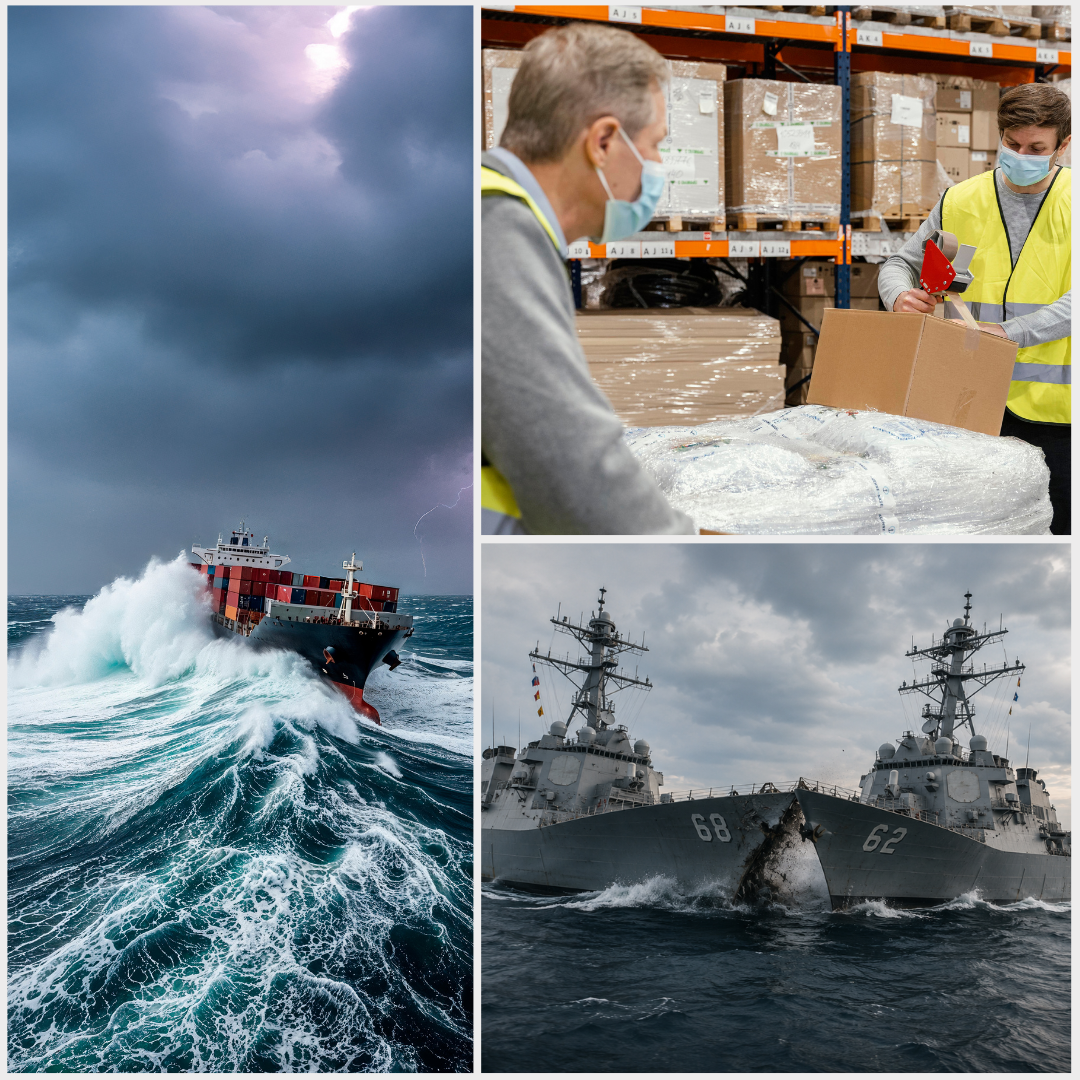
A marine cargo policy covers your goods from warehouse to warehouse, protecting against loss, damage, theft, and accidents whether you’re moving by sea, air, or land.
From storms and collisions to rough handling and piracy, it keeps your cargo (and your business) secure at every stage of the shipping process.
Accidental Damage
Crushing, breakage, and contamination are common during loading, unloading, or transit.
Natural Disasters
Storms, floods, fires, and even earthquakes in extreme cases.
Loading/Unloading Accidents
Ports are high-pressure environments. Damage happens fast.
General Average
When part of the cargo is thrown overboard to save a vessel, all shippers share the cost. Insurance absorbs your portion.
If you are transporting goods or moving around the United Arab Emirates, familiarising yourself with the basics of local transport and its regulations will make your life infinitely easier. Knowing the main roads, applicable fines, and some crucial pieces of advice will ease your exploration of Dubai.
Types of Policies: Choose the Right Shield for Your Risk
From all-risk cover that protects against almost anything to specialised policies for specific threats, there’s a policy built for your cargo and your risk level.
Choose the right shield whether you ship expensive goods regularly or low-risk bulk occasionally and pay only for the protection your business truly needs.
Single Transit Policy
Ideal for occasional shippers. One shipment. One policy. Maximum control.
Open Cover Policy
Automatically insures all shipments within agreed parameters. Perfect for regular traders who need seamless, ongoing protection.
Annual Cargo Insurance
Streamlines coverage for high-volume exporters and importers. One contract. Twelve months of security. Less paperwork. More peace of mind.
For import-export businesses, pairing cargo cover with trade credit insurance for import-export businesses adds an additional layer of security. It protects your receivables if a buyer defaults, so your cash flow stays safe even when deals go wrong.
Why Does Your Business Need a Marine Cargo Policy?
Your cargo is your cash flow. Without a marine cargo policy, one lost or defective shipment can wipe out months of earnings and leave you paying out of pocket.
A marine cargo policy turns unforeseen transit risks into a fixed, budgeted cost, so you can trade with assurance, meet buyer and bank criteria, and keep your business moving even when things go wrong
- Prevents a single incident from crippling operations.
- Clients know you can deliver even when disaster strikes.
- Reduces financial risk in cross-border deals.
- Letters of credit and trade agreements often mandate coverage.
- Accurate budgeting requires predictable costs. Insurance delivers that certainty.
How to Select the Right Policy?
Start by listing what you ship, how often, and its true value, then match that to the right cover. Compare policies on exclusions, costs, deductibles, and claims support, not just price, and make sure the cover follows your routes, modes, and terms of service from pickup to delivery.
Understand Your Cargo Type
Fragile, perishable or high-value goods need broader cover than durable, low-cost items.
Evaluate Shipping Routes
Routes through politically unstable regions or waters known for piracy may need additional approvals.
Check Policy Exclusions
Every insurer has different exclusions. Unintentional vice, poor packaging, and delay-only losses are commonly excluded. Read the fine print rather than assuming standard cover applies.
Compare Coverage Limits
Ensure the sum insured reflects the true replacement value of the cargo, not just the invoice price.
Choose a Reliable Insurance Provider
Look for an insurer with a track record of settling claims promptly, not just competitive premiums.
If you regularly deal with international shipments, trade credit insurance for import export businesses can provide additional protection against certain payment-related risks. It can complement cargo cover by helping businesses manage financial uncertainty when trading with customers across borders.
Steps for Filing the Claim
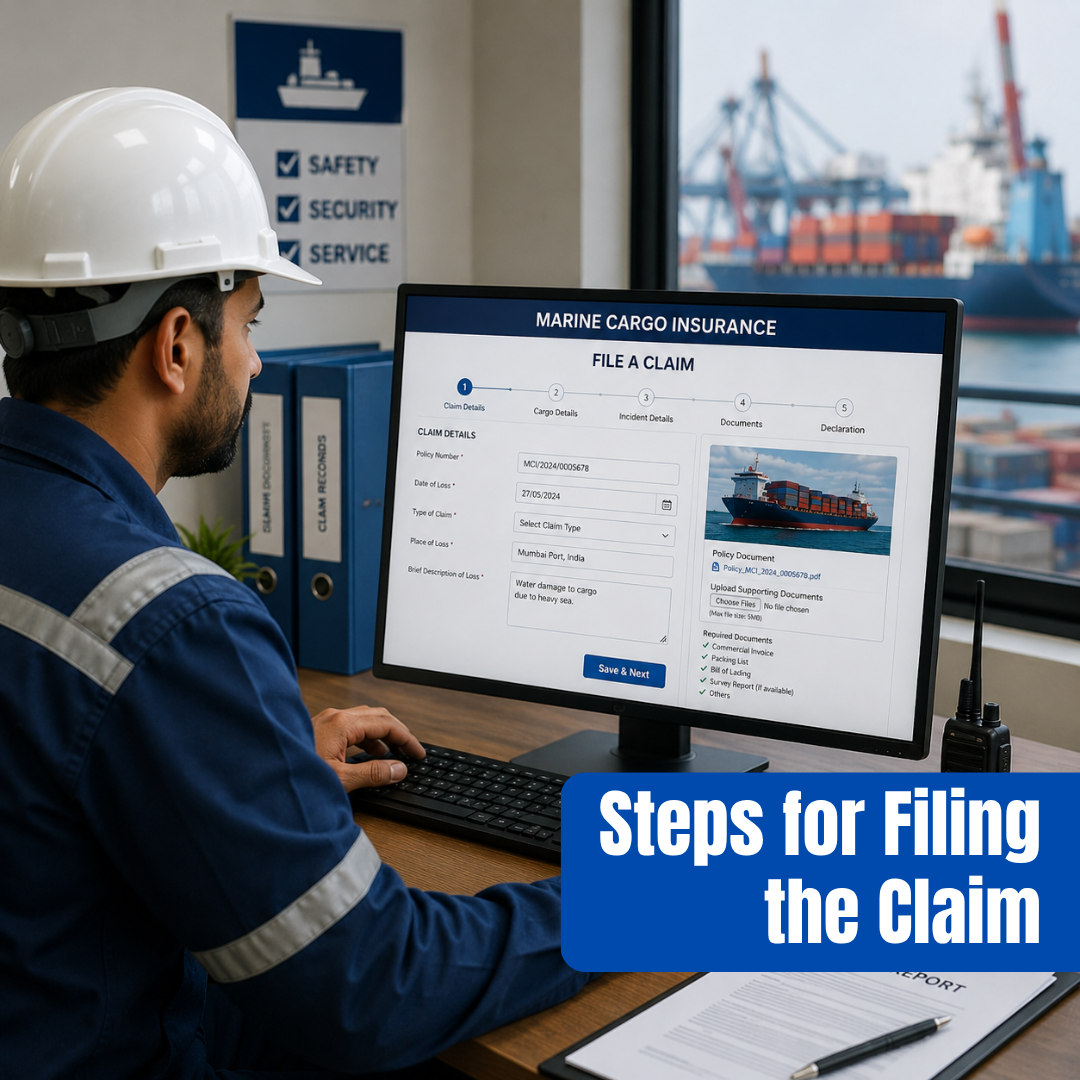
Spot the damage ASAP. Notify your insurer and the carrier in writing right away, and take photos before anything is relocated or packed again.
Then gather your policy, invoice, packing list, bill of lading, and survey report. Submit the claim form with all required proof, and track it until settlement.
Step 1: Notify the Insurer Immediately
Delays in reporting can complicate a claim, so contact the insurer as soon as damage or loss is discovered.
Step 2: Gather Supporting Documents
- Commercial Invoice: Confirms the value of the goods.
- Bill of Lading: Evidence of the shipment and its terms.
- Packing List: Details what was actually shipped.
- Survey Report: An independent assessment of the damage.
- Photographs of Damage: Visual evidence taken as soon as possible after discovery.
Step 3: Submit the Claim
Complete the insurer’s claim form and submit it alongside the supporting documents within the policy’s stated timeframe.
Step 4: Claim Assessment and Settlement
The insurer reviews the evidence, may appoint a surveyor, and settles the claim according to the policy terms. Timelines vary by insurer and complexity.
Conclusion
No amount of careful packing can stop a storm, a robbery, or a dropped container. But marine cargo insurance can stop those events from destroying your business. It transforms disaster into a managed event that is predictable, recoverable, and survivable.
For UAE importers, exporters, and manufacturers moving goods through the world’s busiest ports and skies, that predictability isn’t just valuable. It’s what separates those who survive from those who thrive.
If you’re shipping internationally and haven’t reviewed your cargo insurance lately, do it now. Compare policies. Consult a specialist like Insura.ae. Because the next shipment could be the one that changes everything.