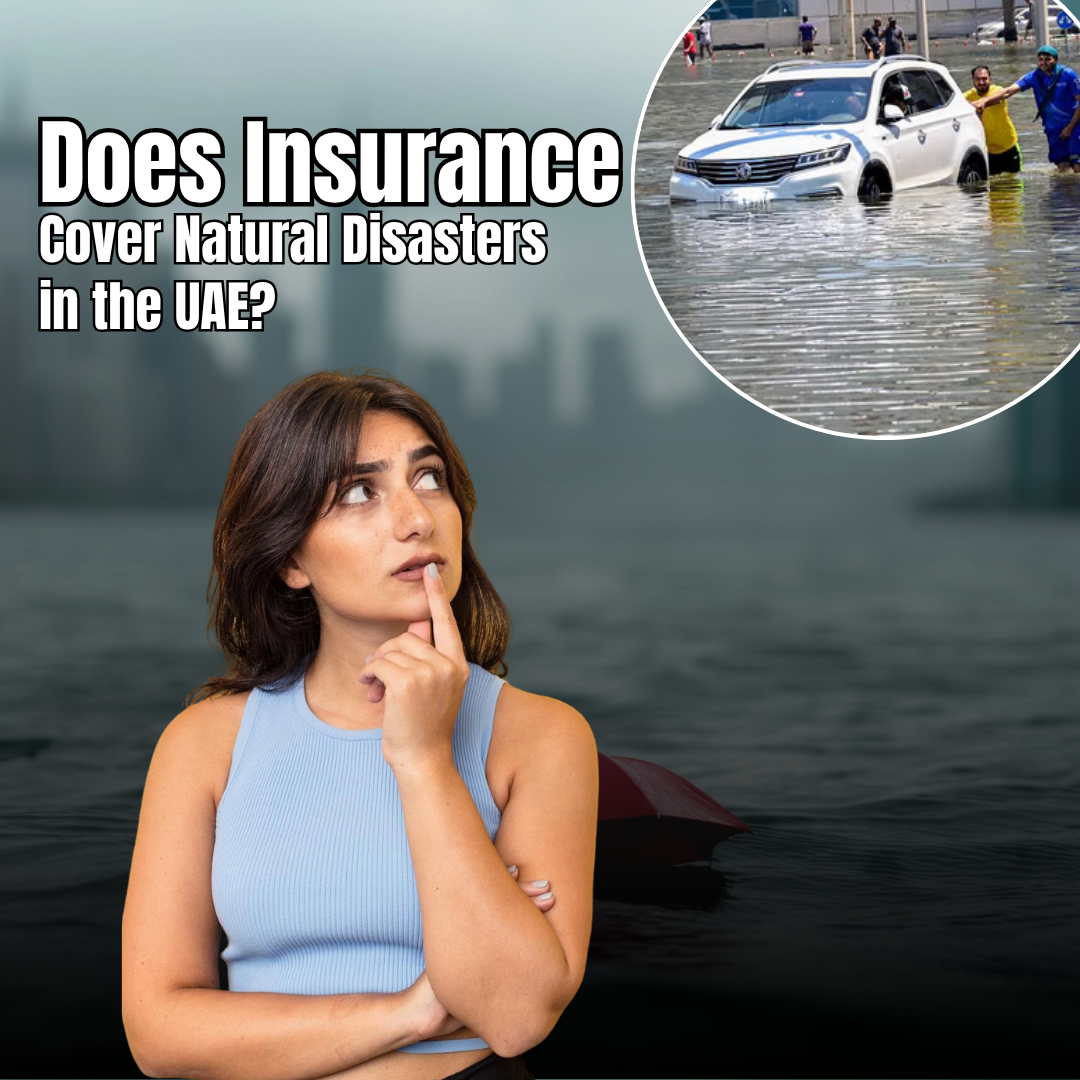
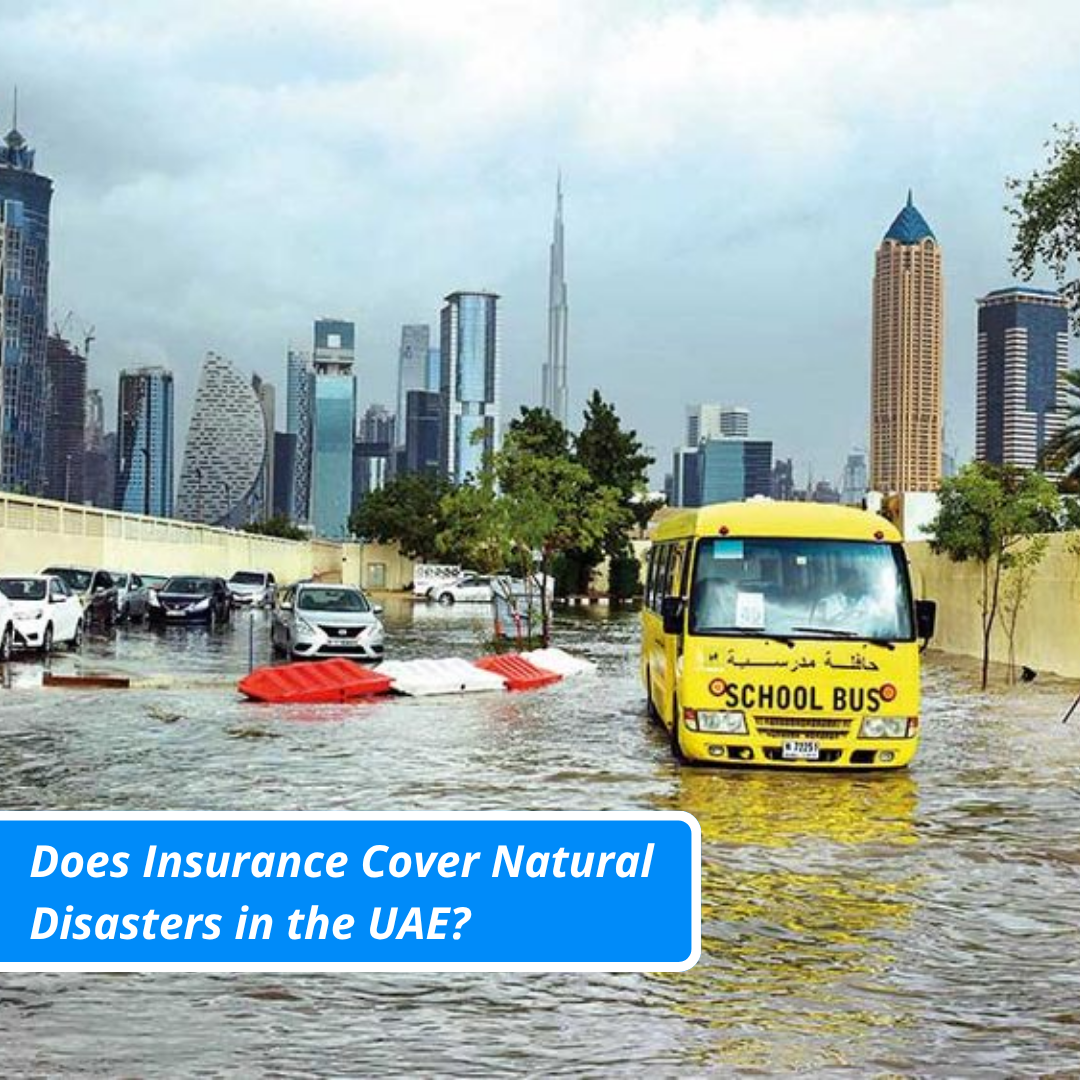
A sudden storm, an unexpected flood, or an earthquake can turn everyday life upside down within minutes. The financial impact often hits just as hard as the emotional shock. Many people assume they are protected, yet when the time comes to claim, uncertainty creeps in. Does insurance cover national disasters, or are there hidden gaps that could leave you exposed?
If you have ever questioned whether your policy truly protects your home, business, or travel plans, you are not alone. Insurance documents can feel complex, and the fine print often raises more questions than answers. Let’s understand everything in this blog. You will understand what is typically covered, what is not, and how to make sure your health insurance in Dubai UAE works for you when it matters most.
Let’s explore how insurance responds to natural disasters and how you can stay one step ahead. To begin with, it is important to understand how insurers define natural disasters.
What Are Natural Disasters in Insurance Terms?
Insurance providers classify natural disasters as sudden, large-scale events caused by natural forces. These may include floods, earthquakes, storms, wildfires, and similar occurrences that cause widespread damage.
However, the key point to remember is that not every disaster is automatically covered under a standard policy. The answer to “Does insurance cover national disasters?” depends heavily on how your insurer defines risk and what your policy specifically includes.
Now that you know what counts as a natural disaster, let’s look at the types of insurance that may provide protection.
Types of Insurance That May Cover Natural Disasters
Different types of insurance policies respond to natural disasters in different ways. Some offer partial protection, while others require additional coverage. Let’s break down each type to see where you stand.
Home Insurance
Home insurance often covers damage caused by events such as storms, fire, and sometimes flooding, depending on the policy. It usually separates structural damage from contents coverage, meaning the building itself and the belongings inside it may have different levels of protection. When asking “Does insurance cover disasters?”, homeowners must check whether flood or earthquake cover is included or requires an add-on. Beyond homes, businesses also need tailored protection.
Property Insurance
Property insurance applies to commercial buildings and business assets. It typically covers physical damage caused by insured events and may also include business interruption cover. This helps replace lost income while operations are paused. For businesses, understanding whether insurance covers national disasters is crucial for continuity planning and financial stability. Travel plans can also face disruption during disasters.
Travel Insurance
Travel insurance can protect you from trip cancellations, delays, or interruptions caused by natural disasters. It may also include emergency evacuation and medical support if you are caught in an affected area. When evaluating whether insurance covers national disasters, travellers should check policy triggers and exclusions carefully. Even vehicles can be affected by extreme weather.
Car Insurance
Car insurance in Dubai UAE may cover damage caused by floods or storms. However, third-party policies usually do not include this level of protection. If you rely on your vehicle daily, it is worth confirming how your policy answers the question: does insurance cover disasters in your region? Coverage depends on more than just policy type.
What Factors Affect Coverage?
Insurance coverage is never one-size-fits-all. Several factors determine how much protection you actually receive. Here are the main elements that influence your cover.
Geographic Location
Insurance companies evaluate risk according to your residence. Properties in flood-prone or earthquake-prone areas may require specialised cover or come with higher premiums.
Policy Type and Premium Level
Basic policies offer limited protection, while comprehensive plans include broader coverage. Paying a slightly higher premium often provides stronger financial security.
Deductibles and Exclusions
Every policy includes deductibles and exclusions. These define what you must pay yourself and what the insurer will not cover.
Type of Insurance Provider You Choose
Not all insurers operate the same way. Established Insurance Company in Dubai UAE with strong networks, transparent processes, and reliable claim support tend to offer more dependable coverage. Choosing an experienced broker or insurer ensures you get tailored options, better guidance, and smoother claim experiences when it matters most.
Knowing these factors helps you take control of your protection.
How to Ensure You’re Properly Covered
Being proactive with your insurance policy can prevent major financial stress later. Here is how you can strengthen your cover.
Assess Your Risk Based on Location
Start by understanding the natural and practical risks specific to where you live or operate. This helps you choose coverage that fits real conditions, not just a standard plan. For example, if you buy new vehicle insurance in Dubai, you might consider add-ons like flood or storm protection, especially after periods of heavy rainfall. This way, your cover reflects actual risks rather than leaving gaps when unexpected situations arise.
Add Riders or Endorsements
Standard policies often come with limitations, especially when it comes to natural disasters. By adding riders or endorsements, you can customize your policy to include risks that are otherwise excluded. This step gives you more complete protection without needing to switch your entire plan. It also allows you to tailor coverage based on your lifestyle or business needs.
Regularly Update Your Policy
Your insurance should adapt as your life does. Whether you have upgraded your property, added new assets, or changed locations, your policy must reflect those updates. Regular reviews help you maintain the right coverage level and avoid underinsurance. Staying updated also ensures smoother claims when you need support the most.
Even with the right cover, knowing how to act after a disaster is essential.
What to Do After a Natural Disaster?
Recovering after a natural disaster can feel overwhelming, especially when you are unsure where to begin. Acting quickly and following the right steps can make the claims process smoother and reduce unnecessary delays. Follow these steps to protect your claim.
Immediate Safety Steps
Your first priority should always be safety. Make sure you, your family, or your employees are out of harm’s way before assessing any damage. Avoid entering unsafe structures or areas until authorities confirm it is secure. Acting carefully at this stage prevents further risk and ensures you can proceed with the claim process safely.
Document Damage
Capture detailed photos and videos of all visible damage as soon as it is safe to do so. Focus on both structural damage and affected belongings to create a complete record. This documentation acts as key evidence when filing your claim. The clearer your records, the smoother your claim assessment is likely to be.
Inform Your Insurer Quickly
Contact your insurer at the earliest opportunity to report the incident. Early communication helps initiate the claims process and allows the insurer to guide you on next steps. Delays can lead to complications or even partial rejection of claims. Prompt action shows responsibility and improves your chances of a successful outcome.
Keep Receipts
Keep a record of all expenses related to repairs, temporary accommodation, or emergency purchases. These receipts provide proof of spending and may be reimbursed depending on your policy terms. Staying organised with documentation helps you recover costs more efficiently. It also ensures transparency throughout the claims process.
Avoiding common mistakes can make a significant difference.
Common Mistakes to Avoid
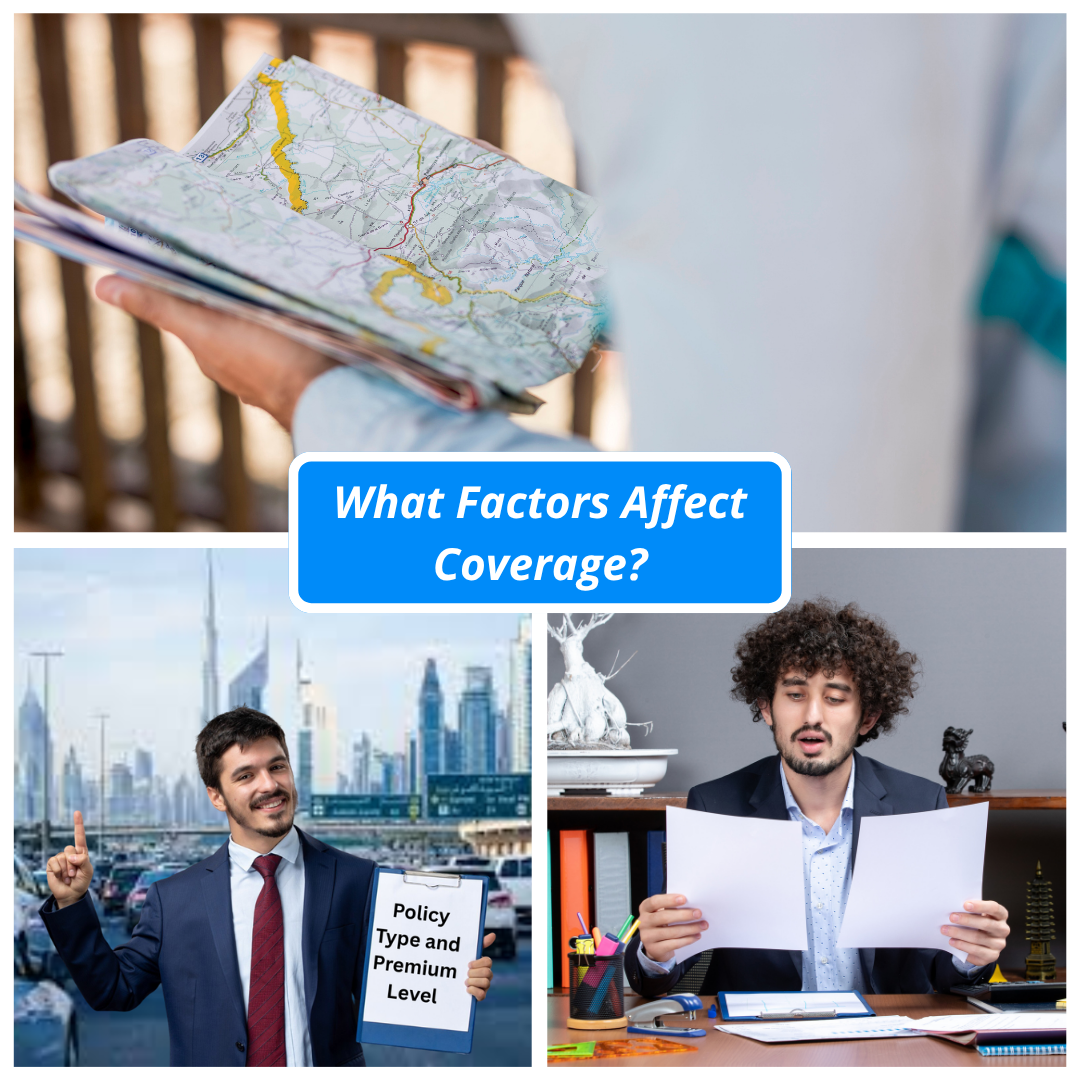
Insurance coverage is never one-size-fits-all. Several factors determine how much protection you actually receive. Here are the main elements that influence your cover.
Geographic Location
Insurance companies evaluate risk according to your residence. Properties in flood-prone or earthquake-prone areas may require specialised cover or come with higher premiums.
Policy Type and Premium Level
Basic policies offer limited protection, while comprehensive plans include broader coverage. Paying a slightly higher premium often provides stronger financial security.
Deductibles and Exclusions
Every policy includes deductibles and exclusions. These define what you must pay yourself and what the insurer will not cover.
Type of Insurance Provider You Choose
Not all insurers operate the same way. Established Insurance Company in Dubai UAE with strong networks, transparent processes, and reliable claim support tend to offer more dependable coverage. Choosing an experienced broker or insurer ensures you get tailored options, better guidance, and smoother claim experiences when it matters most.
Knowing these factors helps you take control of your protection.
How to Ensure You’re Properly Covered
Being proactive with your insurance policy can prevent major financial stress later. Here is how you can strengthen your cover.
Assess Your Risk Based on Location
Start by understanding the natural and practical risks specific to where you live or operate. This helps you choose coverage that fits real conditions, not just a standard plan. For example, if you buy new vehicle insurance in Dubai, you might consider add-ons like flood or storm protection, especially after periods of heavy rainfall. This way, your cover reflects actual risks rather than leaving gaps when unexpected situations arise.
Add Riders or Endorsements
Standard policies often come with limitations, especially when it comes to natural disasters. By adding riders or endorsements, you can customize your policy to include risks that are otherwise excluded. This step gives you more complete protection without needing to switch your entire plan. It also allows you to tailor coverage based on your lifestyle or business needs.
Regularly Update Your Policy
Your insurance should adapt as your life does. Whether you have upgraded your property, added new assets, or changed locations, your policy must reflect those updates. Regular reviews help you maintain the right coverage level and avoid underinsurance. Staying updated also ensures smoother claims when you need support the most.
Even with the right cover, knowing how to act after a disaster is essential.
What to Do After a Natural Disaster
Recovering after a natural disaster can feel overwhelming, especially when you are unsure where to begin. Acting quickly and following the right steps can make the claims process smoother and reduce unnecessary delays. Follow these steps to protect your claim.
Immediate Safety Steps
Your first priority should always be safety. Make sure you, your family, or your employees are out of harm’s way before assessing any damage. Avoid entering unsafe structures or areas until authorities confirm it is secure. Acting carefully at this stage prevents further risk and ensures you can proceed with the claim process safely.
Document Damage
Capture detailed photos and videos of all visible damage as soon as it is safe to do so. Focus on both structural damage and affected belongings to create a complete record. This documentation acts as key evidence when filing your claim. The clearer your records, the smoother your claim assessment is likely to be.
Inform Your Insurer Quickly
Contact your insurer at the earliest opportunity to report the incident. Early communication helps initiate the claims process and allows the insurer to guide you on next steps. Delays can lead to complications or even partial rejection of claims. Prompt action shows responsibility and improves your chances of a successful outcome.
Keep Receipts
Keep a record of all expenses related to repairs, temporary accommodation, or emergency purchases. These receipts provide proof of spending and may be reimbursed depending on your policy terms. Staying organised with documentation helps you recover costs more efficiently. It also ensures transparency throughout the claims process.
Avoiding common mistakes can make a significant difference.
Common Mistakes to Avoid
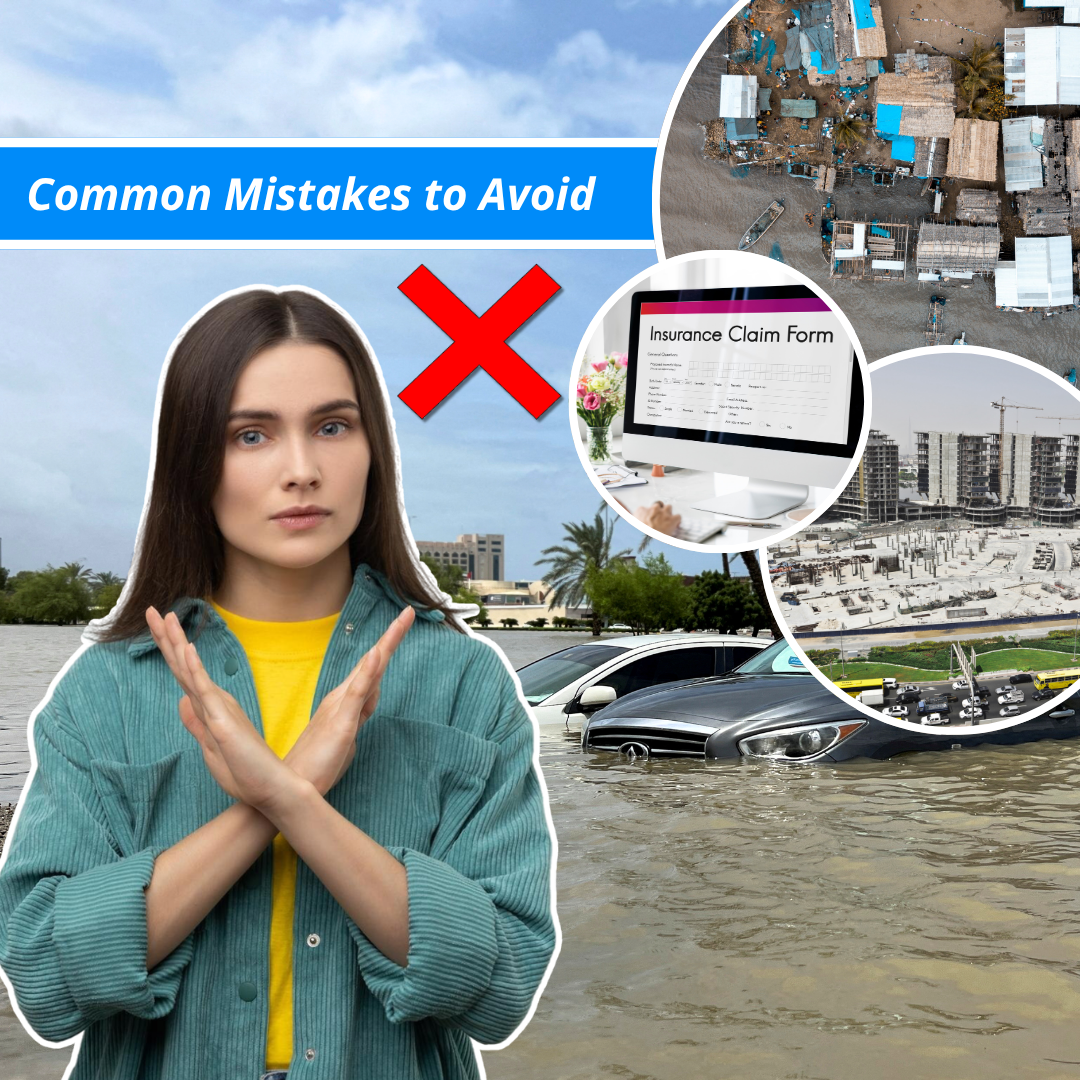
Many policyholders face claim issues due to simple, avoidable mistakes. Understanding these early can help you protect your coverage and avoid unnecessary financial setbacks.
Assuming All Disasters Are Covered
Many people believe their policy automatically covers every natural disaster, which is not always the case. Each policy has specific inclusions and exclusions that must be checked carefully. Relying on assumptions instead of clarity can lead to unexpected financial gaps during a claim.
Underinsuring Property
Opting for a lower sum insured in property all risks insurance may reduce your premium, but it increases your financial exposure. In case of major damage, the payout may fall short of actual repair or replacement costs, leaving you to cover the gap at a time when financial support matters most.
Ignoring Policy Updates
Insurance needs change over time, but many people fail to update their policies. An outdated policy may not reflect current property value or evolving risks. Regular reviews ensure your coverage remains relevant and effective.
Delaying Claims
Waiting too long to inform your insurer can complicate the claims process. Delays may weaken your case or even result in claim rejection. Prompt reporting helps ensure a smoother and faster resolution.
Compare Insurance Policies Smartly with Insura

Choosing the right policy becomes simpler when you can compare options side by side and understand what truly fits your needs. Here is how comparing policies on Insura can help you choose better.
- View multiple plans in one place: Explore a range of policies from different insurers without switching platforms. This saves time and gives you a clear overview of available options.
- Compare coverage and benefits clearly: Check inclusions, exclusions, and add-ons in a simple format. This helps you understand whether the policy answers your key concern about natural disaster coverage.
- Evaluate pricing with value: Look beyond just the premium and assess what you are getting in return. A slightly higher cost may offer significantly better protection.
- Make faster and informed decisions: Narrow down your options quickly based on your needs and budget. This reduces confusion and helps you choose with confidence.
Once you compare effectively, selecting the right cover becomes far more straightforward.
Conclusion
Natural disasters are unpredictable, but your financial preparedness does not have to be. The answer to “Does insurance cover national disasters?” depends on your policy type, location, and the level of protection you choose. From home and property insurance to travel and car cover, each policy plays a role in building a strong safety net.
Taking time to review your insurance, add necessary cover, and understand your policy details can make all the difference when disaster strikes. A well-prepared approach not only protects your assets but also gives you peace of mind when facing uncertain situations.
With the right guidance and a trusted provider like Insura, you can secure coverage that truly supports you when it matters most.